
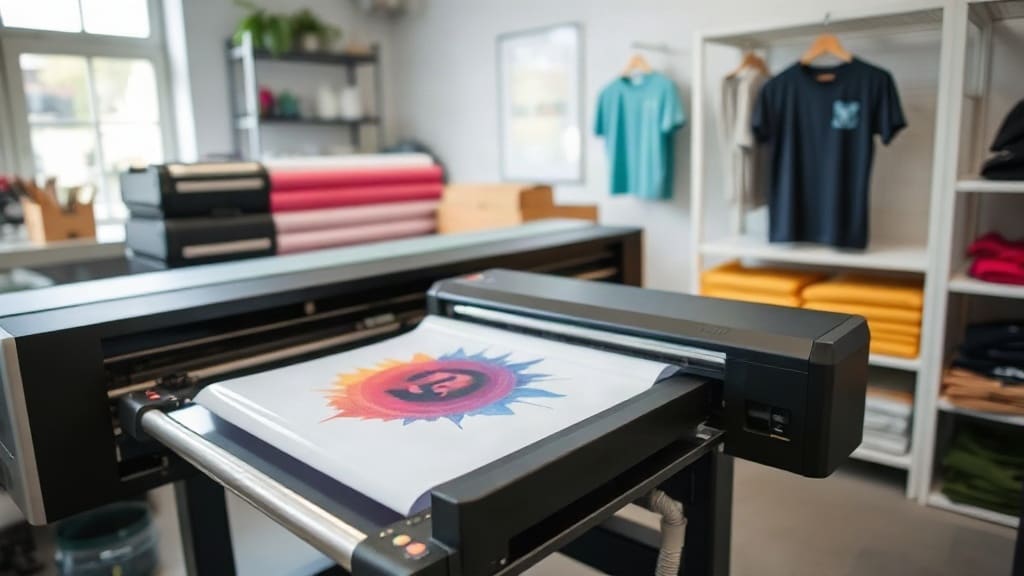
If you're searching for DTF (Direct to Film) transfers, you've probably realized that not all suppliers are created equal. Whether you run a small custom apparel business or you're just starting out, finding a trustworthy local provider can make or break your product quality. The convenience of working with a nearby shop is undeniable: you can inspect samples, communicate easily, and avoid long shipping delays. But how do you separate the pros from the amateurs? In this guide, I'll share what I've learned from years of experience in the printing industry, including practical tips for evaluating DTF transfers providers and ensuring you get the best value for your money.
Why Location Matters When Choosing a DTF Transfer Supplier
When you search for DTF transfers near me, you're likely looking for speed, reliability, and the ability to build a local partnership. A nearby supplier can offer faster turnaround times, especially if you need last-minute orders. You can also visit their facility, see their equipment, and even request a test print on the spot. This level of transparency is harder to achieve with out-of-state vendors.
Moreover, working with a local supplier supports your community's economy and often results in more personalized customer service. You can discuss your specific needs face-to-face, and they might be willing to offer better pricing for repeat orders. But location alone isn't enough; you need to verify that the supplier uses high-quality materials and processes.
Key Factors to Evaluate in a DTF Transfer Provider
1. Print Quality and Durability
The whole point of using DTF is to get vibrant, durable prints that can withstand multiple washes without cracking or fading. When evaluating a local supplier, ask for samples of their work. Test them yourself: wash them several times, stretch the fabric, and see how the print holds up. A reputable supplier will be happy to provide samples and explain their quality control measures.
Also, pay attention to the resolution of their prints. High-quality DTF printers produce crisp details and smooth gradients. If you see banding, blurry edges, or poor color matching, it's a red flag. Look for suppliers who use ICC profiles and proper color management to ensure consistent results.
2. Material and Ink Quality
DTF printing relies on specific types of ink and adhesive powder. The quality of these materials affects the final product. Some suppliers use cheaper inks that may look good initially but fade quickly. Ask about the brands they use and whether they use genuine components or off-brand alternatives. You want a supplier who invests in reliable materials to ensure your transfers last.
3. Turnaround Time and Reliability
One of the biggest advantages of finding DTF transfers near me is the potential for faster turnaround. However, you need to confirm that they can meet your deadlines consistently. Ask about their typical production time and whether they offer rush services. A good supplier will communicate clearly about timelines and keep you updated if any delays arise.
Also, consider their capacity. Do they have enough printers and staff to handle large orders? If you plan to scale your business, you'll need a partner who can grow with you.
4. Pricing and Minimum Order Quantities
Pricing is always a concern, but it shouldn't be the only factor. Compare quotes from several local suppliers to get a sense of the market rate. Be wary of prices that seem too low; they often indicate subpar materials or shortcuts. On the other hand, high prices don't always guarantee quality. Look for a balance between cost and value.
Also, check if they have minimum order quantities (MOQs). Some suppliers allow you to order just one sheet, which is great for testing. Others require a minimum of 10 or 20 sheets. If you're a small business, flexibility is key.
5. Customer Service and Communication
You want to work with someone who answers your questions promptly and offers expert advice. When you visit a local supplier, observe how they interact with you. Are they helpful? Do they explain the process? A supplier who is willing to educate you is more likely to be invested in your success.
6. Range of Services
Some local print shops offer more than just DTF transfers. They might also provide screen printing, embroidery, or custom apparel. If you need a variety of services, finding a one-stop shop can save you time and effort. However, make sure they specialize in DTF and don't treat it as an afterthought.
How to Test a Potential DTF Supplier
Before committing to a long-term relationship, I recommend doing a small test order. This will give you firsthand experience with their product and service. Here's a step-by-step approach:
- Request a sample pack: Many suppliers offer sample packs for a small fee or even free. Ask for a variety of designs, including different colors and details.
- Evaluate the print quality: Examine the transfers for sharpness, color accuracy, and the feel of the adhesive layer.
- Apply the transfer to a garment: Follow their recommended pressing instructions and see how easy it is to apply. Does the film peel off cleanly? Is the transfer stretchy?
- Wash test: Wash the garment multiple times to check for fading, cracking, or peeling.
- Assess their communication: If you have questions during the test, see how responsive they are.
By doing this, you can confidently compare different local suppliers and pick the one that best meets your needs.
Common Mistakes to Avoid When Choosing a Supplier
Over the years, I've seen many business owners make the same mistakes when searching for DTF transfers near me. Here are the pitfalls to avoid:
- Focusing solely on price: Cheap transfers might save you money upfront, but if they fail after a few washes, you'll lose customers.
- Ignoring reviews and referrals: Check online reviews and ask other local business owners for recommendations. Word of mouth is powerful.
- Not asking about adhesive quality: The adhesive powder used in DTF transfers is crucial for proper adhesion. If it's low quality, the transfer might not stick well to the fabric.
- Overlooking the importance of a test print: Never skip the test phase. It's the only way to truly know what you're getting.
- Forgetting to compare turnaround times: A supplier might offer great prices but take two weeks to deliver. Make sure their timeline aligns with your production schedule.
How to Find DTF Transfer Suppliers in Your Area
If you're wondering how to locate DTF transfers near me, start with a simple online search. Use search engines and map applications to find local print shops. You can also check industry directories like Printful's partner network or local business listings. Social media groups for apparel businesses are another excellent resource, as members often share their experiences with suppliers.
When you have a list of potential candidates, visit their websites to learn more about their services. Look for portfolios, customer testimonials, and any certifications they might have. Then, narrow down your list to two or three and contact them for more information.
Conclusion
Finding the right DTF transfers supplier doesn't have to be a gamble. By focusing on quality, reliability, and communication, you can build a partnership that helps your business thrive. Remember to test samples, ask the right questions, and avoid the temptation of rock-bottom prices. With a little diligence, you'll find a local provider that meets your expectations and delivers transfers that make your products stand out.
Frequently Asked Questions
What are DTF transfers and how do they work?
DTF (Direct to Film) transfers are created by printing designs onto a special PET film using a DTF printer. After printing, a layer of adhesive powder is applied to the wet ink. The film is then cured and stored. To apply the transfer, you peel the film and press it onto a garment using a heat press. The adhesive melts and bonds the design to the fabric, resulting in a durable, flexible print.
How long do DTF transfers last on garments?
When applied correctly and cared for properly, DTF transfers can last for 50 to 100 washes or more. The longevity depends on factors like the quality of the ink and adhesive, the pressing conditions, and the fabric type. Following the manufacturer's care instructions, such as washing in cold water and avoiding harsh detergents, can extend the life of the print.
Can I use DTF transfers on dark and light colored fabrics?
Yes, one of the advantages of DTF is its versatility. Unlike some methods that require a white base layer, DTF transfers work well on both dark and light fabrics. However, dark fabrics may require a higher quality transfer with a good white ink layer to ensure colors appear vibrant and opaque.
Do I need to own a heat press to use DTF transfers?
Yes, you will need a heat press to apply DTF transfers successfully. While some people attempt to use a household iron, it doesn't provide enough pressure and temperature control for consistent results. A basic heat press starts around $200 and is a worthwhile investment if you plan to use DTF regularly.