Custom apparel has never been more accessible, thanks to dtf transfers. Whether you're a small business owner looking to create branded merchandise, a sports team needing uniforms, or an individual wanting a unique gift, DTF transfers offer a versatile and durable solution. In this guide, we'll explore what DTF transfers are, how they work, and why they might be the perfect choice for your next project.
What Are DTF Transfers?
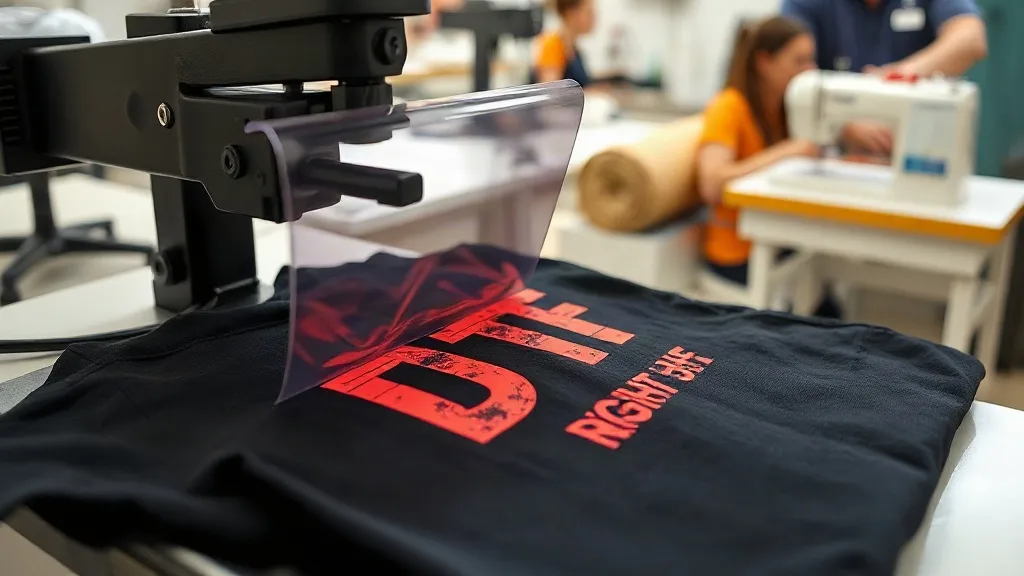
DTF stands for Direct-to-Film. It's a printing technology where designs are printed onto a special film, then heat-pressed onto fabric. Unlike other methods, dtf transfers work on a wide range of materials, including cotton, polyester, blends, and even some nylons. The process involves printing a design onto a PET film using specialized inks, applying a powder adhesive, and then curing the design. When you're ready to apply it, you simply heat press the film onto your garment, peel away the film, and the design remains bonded to the fabric.
Why Choose DTF Transfers?
There are several reasons why DTF transfers have become a popular choice for custom apparel:
- Vibrant colors: DTF printers can produce incredibly bright and detailed prints, making your designs pop.
- Durability: When applied correctly, DTF transfers are wash-resistant and can withstand repeated wear without fading or cracking.
- Versatility: They adhere to a variety of fabrics, including dark and light colors, and even stretchy materials.
- No minimums: Unlike screen printing, DTF transfers are cost-effective for small orders, even single items.
- Soft feel: The prints are relatively soft and flexible, not stiff like some other transfer methods.
The DTF Transfer Process Step by Step
Understanding the process can help you appreciate the quality of DTF transfers and ensure you get the best results. Here's a breakdown:
- Design preparation: Create your artwork and ensure it's in a high-resolution format. The design is then printed onto a DTF film using specialized water-based inks.
- Powder application: While the ink is still wet, a hot-melt adhesive powder is applied evenly over the design. Excess powder is shaken off.
- Curing: The film with the powder is then heated to melt the powder, creating a adhesive layer that will bond with the fabric.
- Heat pressing: The transfer is placed on the garment and heat pressed at a specific temperature and pressure for a set time. This bonds the design to the fabric.
- Peeling: After pressing, the film is peeled away (hot or cold peel, depending on the film type), leaving the design behind.
Finding Quality DTF Transfers Near You
If you're looking to get started with DTF transfers, you might be wondering where to find them. While many online services offer DTF printing, sometimes you need a local provider for quick turnaround or personal consultation. Searching for dtf transfers near me can help you locate a reputable shop in your area. Local providers can offer faster shipping, the ability to inspect samples, and personalized advice. However, online retailers like DTF Pro Design also provide high-quality transfers with fast shipping, so you can order from the comfort of your home.
DTF vs. Other Printing Methods
How does DTF compare to other common printing techniques? Here's a quick comparison:
- Screen printing: Better for large orders of simple designs, but DTF is more cost-effective for small batches and complex designs.
- Heat transfer vinyl (HTV): HTV is great for simple shapes and text, but DTF excels with detailed, multi-color designs.
- Direct-to-garment (DTG): DTG requires pre-treatment and works best on 100% cotton. DTF is more versatile and often more durable.
Tips for Applying DTF Transfers
To ensure your DTF transfers last, follow these best practices:
- Pre-press the garment to remove moisture and wrinkles.
- Use the correct temperature and pressure settings recommended by the transfer supplier.
- Allow the transfer to cool completely before peeling (for cold-peel films).
- Wash the garment inside out in cold water and avoid harsh detergents.
- Do not iron directly over the transfer; use a pressing cloth if needed.
Common Questions About DTF Transfers
How long do DTF transfers last?
With proper application and care, DTF transfers can last as long as the garment itself. They are highly durable and resistant to cracking and fading.
Can I use DTF transfers on dark fabrics?
Yes, DTF transfers work beautifully on dark fabrics because a white ink layer is printed underneath the colors, ensuring vibrancy.
Do I need special equipment to apply DTF transfers?
You'll need a heat press. A home iron can work in a pinch, but a heat press provides consistent temperature and pressure for professional results.
Are DTF transfers eco-friendly?
DTF printing uses water-based inks and produces minimal waste compared to other methods. However, the film and powder do have some environmental impact. Always dispose of waste responsibly.
Where can I buy DTF transfers?
You can purchase DTF transfers from specialized online stores like DTF Pro Design, or search for local printers in your area. When searching for dtf transfers near me, check reviews and ask for samples to ensure quality.