
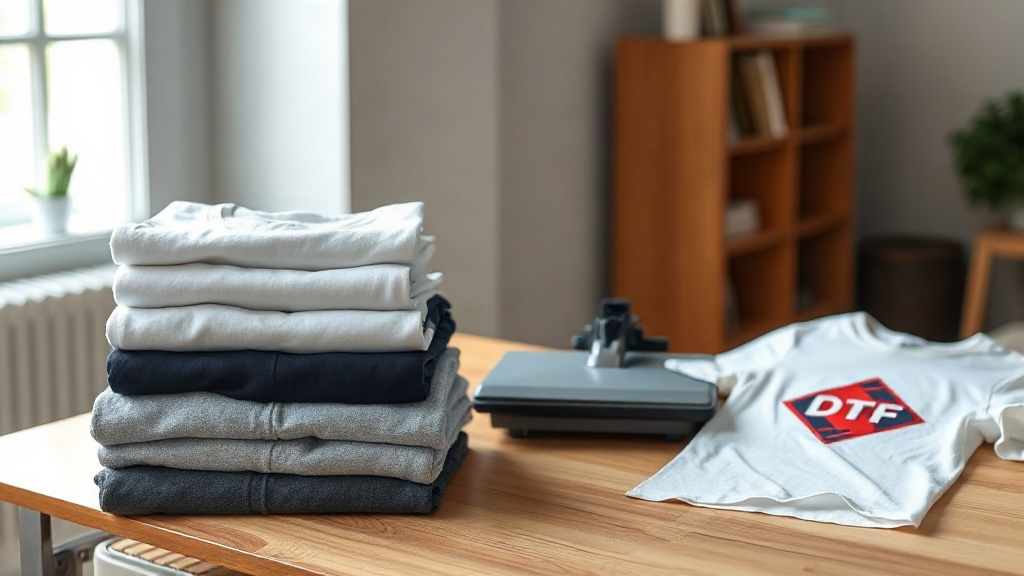
When you're in the custom apparel business, the quality of your finished product hinges on two critical factors: the print and the blank. You might have the most advanced dtf transfers and a flawless printing process, but if the blank isn't up to par, the final result will disappoint. That's where smart blanks come into play. These aren't just any t-shirts; they're carefully engineered garments designed to work in harmony with modern printing techniques. In this article, we'll explore why choosing the right blank, like those from Shaka Wear, can make or break your DTF business, and how to select the best options for your needs.
What Are Smart Blanks and Why Do They Matter?
Smart blanks are garments specifically manufactured with the needs of decorators in mind. They feature consistent fabric blends, tight weave structures, and minimal shrinkage, all of which contribute to superior print results. Unlike generic blanks, smart blanks are tested with various printing methods, including dtf transfers, to ensure compatibility. The difference is noticeable: prints adhere better, colors pop, and the garment maintains its shape and feel after multiple washes.
For businesses, investing in smart blanks reduces waste, minimizes returns, and enhances customer satisfaction. Imagine a client ordering 100 custom tees for a corporate event. If the blanks are inconsistent, you might face uneven prints, sizing issues, or premature fading. Smart blanks eliminate these variables, giving you peace of mind and a professional edge.
The Role of Fabric Composition
The fabric makeup of a blank significantly affects DTF transfer performance. Polyester blends, for instance, allow for brighter, more vibrant colors because the transfer adheres to the synthetic fibers. Cotton, while comfortable, can sometimes cause a duller appearance unless the transfer is specifically formulated for it. Smart blanks often feature a cotton-poly blend that balances comfort, durability, and printability. Shaka Wear is a prime example, offering blanks that cater to both the fashion and printing industries.
Weave and Weight: The Unsung Heroes
The weave and weight of a blank determine how the transfer sits on the fabric. A tighter weave prevents the transfer from sinking into the fibers, resulting in a sharper image. Heavier weights (like 5.5 oz or more) provide a premium feel and better opacity, which is crucial for white or light-colored transfers on dark garments. Smart blanks are engineered with these factors in mind, ensuring that your dtf transfers look their best.
Why Shaka Wear Stands Out in the Smart Blanks Market
Shaka Wear has carved a niche for itself by delivering high-quality blanks that meet the demands of modern decorators. Their garments are known for their soft hand feel, consistent sizing, and excellent printability. Let's dive into what makes them a top choice for DTF printing.
Unmatched Consistency
One of the biggest challenges in the apparel industry is consistency. A batch of blanks from one manufacturer might vary slightly in color, size, or fabric from the next. Shaka Wear addresses this by maintaining strict quality control, ensuring that every order you receive matches the last. This reliability is invaluable when you're fulfilling large orders or building a brand around your custom apparel.
Optimal for DTF Transfers
Not all blanks are created equal when it comes to DTF printing. Some fabrics repel the adhesive, leading to peeling or cracking. Shaka Wear blanks are designed with a surface that accepts DTF transfers beautifully. The fabric's texture allows the transfer to bond securely, resulting in a print that withstands repeated washing and wearing. Many decorators report that their DTF prints on Shaka Wear blanks outlast those on other brands.
Style and Comfort
Beyond printability, Shaka Wear offers a range of styles that appeal to modern consumers. From classic tees to hoodies and tank tops, their blanks are fashionable and comfortable. The fit is flattering, and the fabric is soft, making them ideal for retail-ready apparel. When your customers wear your creations, they'll appreciate the quality, which reflects well on your brand.
How to Choose the Right Smart Blanks for Your DTF Projects
Selecting the perfect blank involves more than just picking a color. Consider these factors to ensure your dtf transfers shine.
1. Fabric Content
As mentioned, blends like 50/50 cotton-polyester are excellent for DTF. They offer the best of both worlds: the comfort of cotton and the durability and color vibrancy of polyester. 100% cotton is also viable but may require a higher transfer temperature or pressure. Always test a sample before committing to a large order.
2. Color and Opacity
If you're printing light-colored transfers, you'll need a blank that provides a good base. White or light-colored blanks are ideal, but if you're working with dark garments, ensure the blank is opaque enough to prevent the transfer from appearing muted. Shaka Wear offers a wide range of colors, many of which are specially dyed for optimal print contrast.
3. Size and Fit
Your target audience's preferences matter. Some prefer a slim fit, while others go for a relaxed look. Shaka Wear offers various fits, so you can cater to different demographics. Also, consider unisex vs. women's cuts; having both options can expand your market.
4. Washability
A smart blank should withstand numerous wash cycles without significant fading, shrinking, or distortion. Check the manufacturer's specifications for shrinkage rates and care instructions. Shaka Wear blanks are known for their durability, often exceeding industry standards.
5. Budget
While premium blanks cost more, they can save you money in the long run by reducing waste and returns. However, if you're just starting, you might experiment with different price points to find the sweet spot for your business. Remember, smart blanks are an investment in quality.
Maximizing DTF Transfer Results on Smart Blanks
Even with the best blank, your technique matters. Here are some tips to get flawless results with dtf transfers on smart blanks.
Pre-Press Matters
Always pre-press the garment for a few seconds before applying the transfer. This removes moisture and wrinkles, creating a smooth surface for the transfer to adhere to. Set your heat press to the temperature recommended by your transfer supplier, typically around 325°F to 350°F.
Pressure and Time
Consistent pressure is key. Too little pressure and the transfer won't bond; too much and you risk scorching the fabric or flattening the print. Follow the transfer manufacturer's guidelines for time and pressure. For most DTF transfers, 10-15 seconds at medium pressure works well.
Peeling Technique
After pressing, allow the transfer to cool completely before peeling. This is often called a "cold peel." Peeling while hot can cause the design to lift or distort. Once cooled, peel slowly and evenly. If any part resists, re-press for a few seconds.
Post-Press for Durability
For added durability, you can do a second press with a Teflon sheet or parchment paper for about 5-10 seconds. This further embeds the transfer into the fabric, making it more resistant to washing and cracking.
Common Mistakes to Avoid with Smart Blanks and DTF
Even seasoned pros can slip up. Watch out for these pitfalls.
- Using the wrong fabric: Not all blanks are DTF-friendly. Always test.
- Ignoring pre-press: Skipping this step leads to poor adhesion.
- Inconsistent pressure: Invest in a good heat press with adjustable pressure.
- Peeling too soon: Patience is a virtue; wait for the transfer to cool.
- Washing too soon: Advise customers to wait at least 24 hours before washing.
Case Study: How a Small Shop Scaled with Smart Blanks
Take the example of a small print shop in Austin, Texas. They struggled with inconsistent results using cheap blanks, leading to unhappy customers and reprints. After switching to Shaka Wear smart blanks and refining their DTF process, their defect rate dropped by 70%. They were able to take on larger orders, including a contract for a local sports team, and their reputation for quality soared. This illustrates the transformative power of choosing the right blank.
Frequently Asked Questions
What are smart blanks and why should I use them for DTF transfers?
Smart blanks are garments engineered for optimal decoration, with consistent fabric and construction. They ensure your dtf transfers adhere well, look vibrant, and last longer, reducing waste and increasing customer satisfaction.
Is Shaka Wear suitable for DTF printing?
Absolutely. Shaka Wear blanks are popular among DTF printers for their consistent quality, soft feel, and excellent printability. Their fabric blends and weaves are ideal for DTF transfers.
How do I prevent DTF transfers from cracking on smart blanks?
Use proper pressing techniques: pre-press, correct temperature and pressure, and cold peel. Also, choose a high-quality transfer and a compatible blank like those from Shaka Wear. Post-pressing can further enhance durability.
Can I use smart blanks for other printing methods besides DTF?
Yes, smart blanks are versatile and work well with screen printing, HTV, and DTG. However, always test to ensure compatibility with your specific method.
Where can I buy smart blanks like Shaka Wear?
Many online retailers and wholesale distributors carry Shaka Wear and other smart blanks. Look for suppliers that specialize in blanks for decorators to ensure you get quality products.
Final Thoughts
In the competitive world of custom apparel, the blank you choose can set you apart. Smart blanks, especially those from Shaka Wear, provide the perfect canvas for your dtf transfers, ensuring vibrant, durable prints that keep customers coming back. By understanding the nuances of fabric, weave, and proper technique, you can elevate your craft and build a thriving business. Remember, quality in equals quality out. Invest in smart blanks and watch your creations come to life.