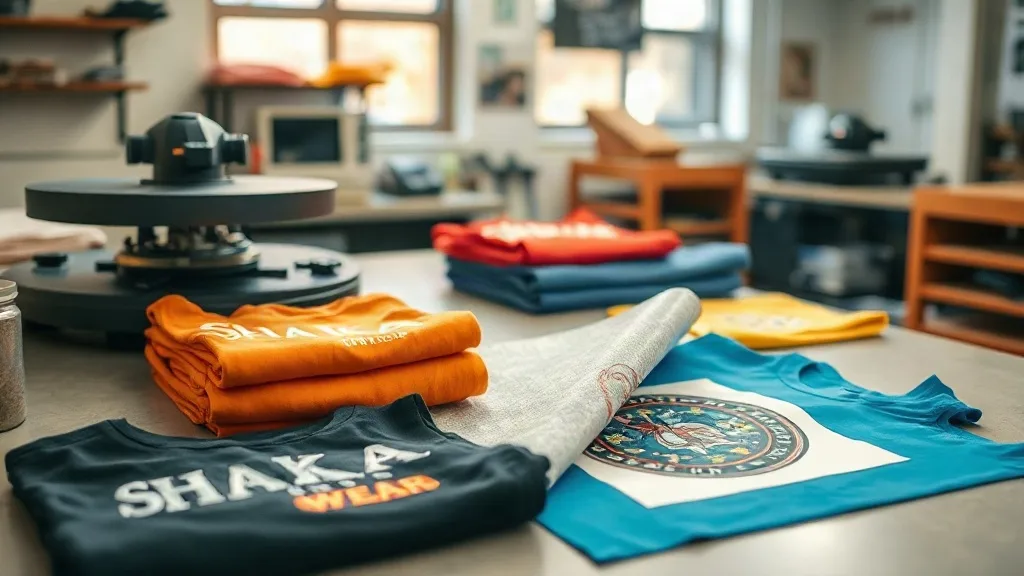
When you're running a print shop, the difference between a good DTF print and a great one often comes down to the blank you choose. shaka wear has become a go-to for many shops, but not all blanks are created equal when it comes to DTF. In this guide, we'll walk through how to select the right Shaka Wear blank for your DTF transfers, ensuring your prints look sharp, last long, and keep customers coming back.
Why Blank Selection Matters for DTF
DTF (Direct to Film) printing has revolutionized the garment decoration industry with its ability to produce full-color, detailed designs on a wide range of fabrics. However, the quality of the final product isn't just about the transfer itself; the blank plays a crucial role. The fabric's weight, weave, color, and finish all affect how the transfer adheres, how it feels, and how it holds up over time. Choosing the wrong blank can lead to issues like poor adhesion, premature fading, or an uncomfortable hand feel.
Fabric Weight: Finding the Sweet Spot
Shaka Wear offers blanks in various weights, typically ranging from 5.5 oz to 7.5 oz. For DTF printing, a mid-weight fabric (around 6 oz) often provides the best balance: it's heavy enough to hold the transfer securely but light enough to avoid excessive heat retention during pressing. Heavier fabrics (7 oz and up) can be more challenging because they require longer pressing times to ensure the adhesive fully cures, which can risk scorching or uneven adhesion if not carefully controlled. Lighter fabrics (under 6 oz) may not provide enough structure, leading to a print that feels stiff or wrinkles easily.
Color and Opacity
The color of the blank significantly impacts the vibrancy of your DTF print. While DTF transfers include a white ink layer that allows printing on dark garments, the underlying fabric color can still influence the final look. For light-colored blanks, you have more flexibility, but on dark colors, the white layer must be sufficiently opaque. Shaka Wear's blanks are known for their consistent dyeing, which means you can rely on the color being uniform across the garment. However, always test a new batch with a sample print to ensure the white layer pops as expected.
Weave and Texture
The weave of the fabric affects how the transfer adheres. Shaka Wear's tees typically feature a tight knit, which provides a smooth surface for the transfer to bond with. Looser weaves, like some slub or open-knit fabrics, can cause the transfer to sink into the fabric, leading to a textured feel and potential cracking over time. For DTF, a smooth, tight weave is ideal.
Recommended Shaka Wear Blanks for DTF
Based on our experience, here are some Shaka Wear styles that consistently perform well with DTF transfers:
- Shaka Wear Heavyweight Tee (7.5 oz): Best for hoodies and heavier garments where durability is key. Requires careful pressing to avoid scorching.
- Shaka Wear Classic Tee (6 oz): A versatile option that works well for most designs. The mid-weight fabric provides a good foundation for DTF.
- Shaka Wear Ringspun Tee (5.5 oz): Ideal for lightweight, retail-fit tees. The smooth surface ensures excellent adhesion.
Preparing Shaka Wear Blanks for DTF
Proper preparation is essential for a successful DTF application. Follow these steps:
- Pre-press the garment: Use a heat press to remove moisture and wrinkles. Press for 5-10 seconds at 330°F (165°C).
- Position the transfer: Place the DTF transfer on the garment with the design facing up.
- Press: Apply heat and pressure according to the transfer manufacturer's instructions. Typically, 320-330°F for 10-15 seconds with medium pressure.
- Peel: Wait for the transfer to cool completely before peeling the film. For a matte finish, peel while hot; for glossy, peel cold.
- Post-press: Cover with a Teflon sheet or parchment paper and press again for 5 seconds to ensure the transfer is fully embedded.
Common Pitfalls and How to Avoid Them
Even with the right blank, issues can arise. Here are some common problems and solutions:
- Transfer not adhering: Ensure the garment is completely dry and pre-pressed. Increase pressure or temperature slightly.
- Print cracking: Over-stretching the garment during pressing can cause the transfer to crack. Allow the garment to cool before stretching.
- Color fading: Wash the garment inside out in cold water and avoid harsh detergents to prolong the life of the print.
Maximizing Efficiency with DTF Gangsheets
For shops looking to streamline their DTF workflow, using a DTF Gangsheet Builder can be a game-changer. This tool allows you to combine multiple designs into a single sheet, reducing waste and saving time. When paired with Shaka Wear blanks, you can produce consistent, high-quality prints efficiently.
Frequently Asked Questions
Can I use DTF on all Shaka Wear fabrics?
DTF works best on cotton and cotton-poly blends. Shaka Wear's 100% cotton and poly-cotton blends are ideal. Avoid fabrics with high spandex content or rough textures, as they may not adhere well.
How do I choose the right Shaka Wear blank for my DTF design?
Consider the design's complexity and the desired feel. For detailed designs, a smooth, tight-weave fabric like the Classic Tee works well. For bold, simple designs, heavier fabrics like the Heavyweight Tee provide a sturdy canvas.
What's the best way to wash a DTF-printed Shaka Wear garment?
Turn the garment inside out and machine wash cold. Tumble dry low or hang dry. Avoid ironing directly on the print.
Do I need special equipment for DTF on Shaka Wear?
A heat press is essential. You'll also need a DTF printer and curing oven, or you can outsource transfers. A DTF Gangsheet Builder helps optimize your transfer sheets.
How can I ensure consistent quality across different Shaka Wear blanks?
Always test a sample print on each new batch of blanks. Keep a log of press settings for each fabric type. Regularly calibrate your heat press to maintain consistent temperature and pressure.