
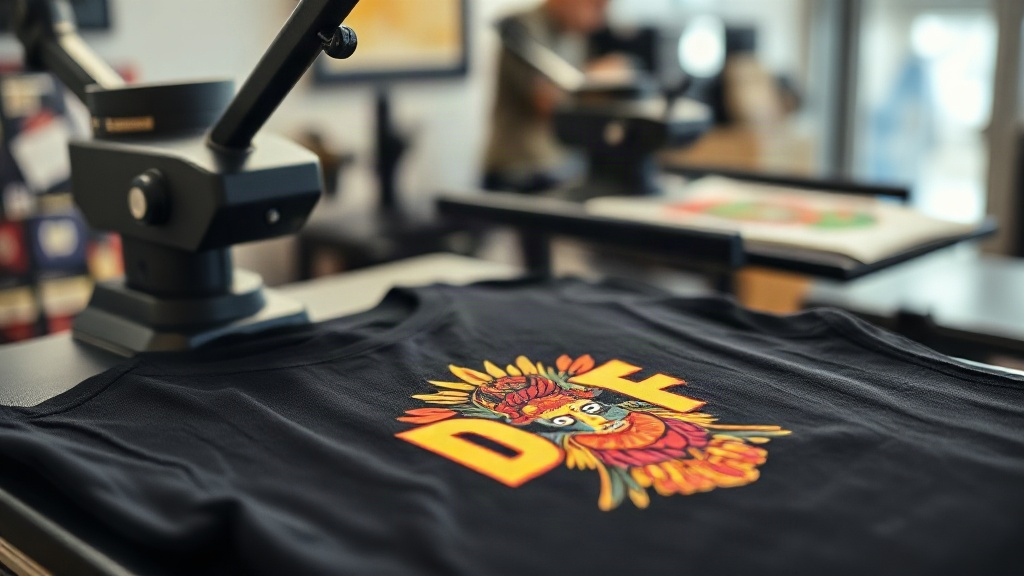
If you're in the custom apparel business, you know that the right printing method can make or break your products. Enter DTF transfers—a game-changing technology that's been taking the industry by storm. Unlike traditional screen printing or vinyl, DTF transfers offer vibrant, full-color designs that adhere to almost any fabric, from cotton to polyester and even blends. But what exactly are DTF transfers, and why should you consider them for your next project? Let's dive deep into this innovative printing technique and explore how it can elevate your brand.
What Are DTF Transfers?
DTF stands for Direct to Film. It's a printing process where your design is printed onto a special film, coated with a heat-activated adhesive powder, and then transferred onto your garment using a heat press. The result? A soft, stretchable, and incredibly durable print that can handle intricate details and gradients without fading or cracking.
One of the biggest advantages of DTF transfers is that they don't require pre-treatment or special inks for different fabrics. Whether you're working with shaka wear t-shirts, hoodies, or even tote bags, DTF can handle it all. This versatility makes it a favorite among small business owners, print shops, and DIY enthusiasts alike.
Why DTF Transfers Are Revolutionizing Custom Apparel
Traditional printing methods like screen printing and heat transfer vinyl (HTV) have their place, but DTF transfers offer a unique combination of benefits that set them apart. Here's why they're becoming the go-to choice for custom apparel:
- No color limits: DTF transfers can reproduce full-color images, including photorealistic designs, gradients, and fine lines, without the need for multiple screens or layers.
- Fabric versatility: They work on cotton, polyester, blends, and even treated nylon. This means you can offer consistent quality across all your products.
- Durability: When applied correctly, DTF prints withstand repeated washing without cracking, peeling, or fading. They're built to last.
- Cost-effective for small runs: Unlike screen printing, which requires setup costs per color, DTF transfers are economical for short runs and one-off designs.
- Soft hand feel: The prints are thin and flexible, so they don't feel heavy or plastic-like on the garment.
How DTF Transfers Compare to Other Printing Methods
To truly appreciate DTF transfers, it helps to see how they stack up against other popular methods. Let's break it down.
DTF vs. Screen Printing
Screen printing is the gold standard for large orders of simple designs. It's cost-effective at high volumes and offers great durability. However, it struggles with complex, multi-color designs and requires separate screens for each color. DTF transfers, on the other hand, handle intricate designs with ease and have no minimum order quantity. For small businesses or custom orders, DTF is often more practical and affordable.
DTF vs. Heat Transfer Vinyl (HTV)
HTV is great for simple text and single-color logos, but it can't handle gradients or fine details. It also has a limited color palette and can feel thick on the garment. DTF transfers produce vibrant, full-color images with a softer feel and greater durability. Plus, you don't have to weed tiny details, which saves time and reduces waste.
DTF vs. DTG (Direct to Garment)
DTG printing is excellent for 100% cotton garments and produces soft, breathable prints. However, it requires pre-treatment, and the colors can appear muted on dark fabrics. DTF transfers don't need pre-treatment, work on dark colors brilliantly, and offer more consistent results across different fabric types.
Choosing the Right Blanks for DTF Transfers
The quality of your blank garment plays a huge role in the final outcome. Not all blanks are created equal, and some are better suited for DTF transfers than others. When selecting blanks, consider the fabric content, weight, and weave.
For example, shaka wear is a popular choice among streetwear brands for its heavyweight cotton and relaxed fit. Their tees provide a smooth surface that accepts DTF transfers beautifully, resulting in a premium look and feel. Similarly, smart blanks offer a range of affordable, high-quality options that are perfect for both retail and promotional products. These blanks are designed to work well with various printing methods, including DTF.
When testing a new blank, always do a sample press to ensure the transfer adheres properly and the colors pop as expected. Some fabrics with high polyester content may require lower pressing temperatures to avoid scorching, while cotton can handle higher heat.
Step-by-Step Guide to Applying DTF Transfers
Applying DTF transfers is straightforward, but following the right steps ensures a professional, long-lasting result. Here's a simple guide:
- Prepare your workspace: Set up your heat press on a stable surface and preheat it to the recommended temperature (usually 300-325°F or 150-160°C).
- Pre-press the garment: This removes moisture and wrinkles, creating a smooth surface for the transfer. Press for 5-10 seconds.
- Position the transfer: Place the DTF transfer on the garment with the design facing up. Use heat-resistant tape if needed to keep it in place.
- Press: Apply medium to firm pressure for 15-20 seconds. The exact time may vary based on your press and the film manufacturer's instructions.
- Peel: Wait a few seconds for the transfer to cool slightly, then peel the film off in a smooth, consistent motion. For a matte finish, peel while hot; for a glossy finish, peel when cold.
- Post-press (optional): For extra durability, cover the design with a Teflon sheet or parchment paper and press again for 5-10 seconds.
Always follow the specific instructions provided by your DTF transfer supplier, as different films and powders may have unique requirements.
Common Mistakes to Avoid with DTF Transfers
Even though DTF is forgiving, there are pitfalls that can ruin your print. Here are some mistakes to watch out for:
- Insufficient pressure: Not enough pressure leads to poor adhesion and early peeling. Make sure your press is calibrated.
- Wrong temperature: Too hot and the film may melt or scorch; too cold and the adhesive won't activate. Use a heat gun or infrared thermometer to verify.
- Peeling too early or too late: This depends on the film type. Always test a small piece first.
- Using fabric softener: Softeners can leave residue that prevents proper adhesion. Wash garments inside out without softener before pressing.
- Stretching the garment: Don't stretch the fabric while pressing; this can distort the design.
DTF Transfers for Different Fabrics
One of the best things about DTF transfers is their compatibility with a wide range of fabrics. Here's a quick rundown:
- Cotton: Excellent adhesion and vibrant colors. Works well with shaka wear and smart blanks.
- Polyester: Requires lower temperature to prevent dye migration. Use a low-temperature DTF film for best results.
- Blends: Generally work well, but always test first.
- Nylon: Only works on treated nylon; untreated nylon may not hold the transfer.
- Leather and denim: Can be used with caution; test on a small area first.
Frequently Asked Questions About DTF Transfers
How long do DTF transfers last?
With proper application and care, DTF transfers can last as long as the garment itself. They are highly durable and resistant to cracking and fading. Wash inside out in cold water and avoid bleach and fabric softener to maximize longevity.
Can I use DTF transfers on dark colors?
Absolutely! DTF transfers include a white ink layer that makes colors pop on dark fabrics. This is a major advantage over DTG printing, which often requires a white base for dark garments.
Do I need a special printer for DTF transfers?
Yes, DTF printing requires a dedicated DTF printer that uses pigment inks and prints onto PET film. However, you can also buy pre-printed DTF transfers from suppliers and apply them with a standard heat press. This is a great option for small businesses that want to offer custom apparel without a large investment.
What is the best temperature for pressing DTF transfers?
The ideal temperature range is typically 300-325°F (150-160°C). However, always check the instructions from your transfer supplier, as some films may require slightly different settings. Using a heat press with accurate temperature control is crucial.
Are DTF transfers eco-friendly?
DTF transfers use water-based inks and are generally considered more environmentally friendly than solvent-based alternatives. However, the PET film and plastic powder do create some waste. Look for suppliers that offer biodegradable films or recycling programs to reduce your environmental impact.
Final Thoughts: Why DTF Transfers Belong in Your Business
Whether you're a small Etsy shop owner, a growing apparel brand, or a promotional products distributor, DTF transfers offer a versatile, cost-effective, and high-quality printing solution. They eliminate the limitations of traditional methods and open up a world of creative possibilities. By choosing the right blanks from trusted brands like shaka wear and smart blanks, and following best practices for application, you can deliver custom apparel that your customers will love and wear for years to come.
At dtfprodesign.com, we specialize in providing premium DTF transfers that bring your designs to life. Explore our collection and see how DTF can transform your business.