
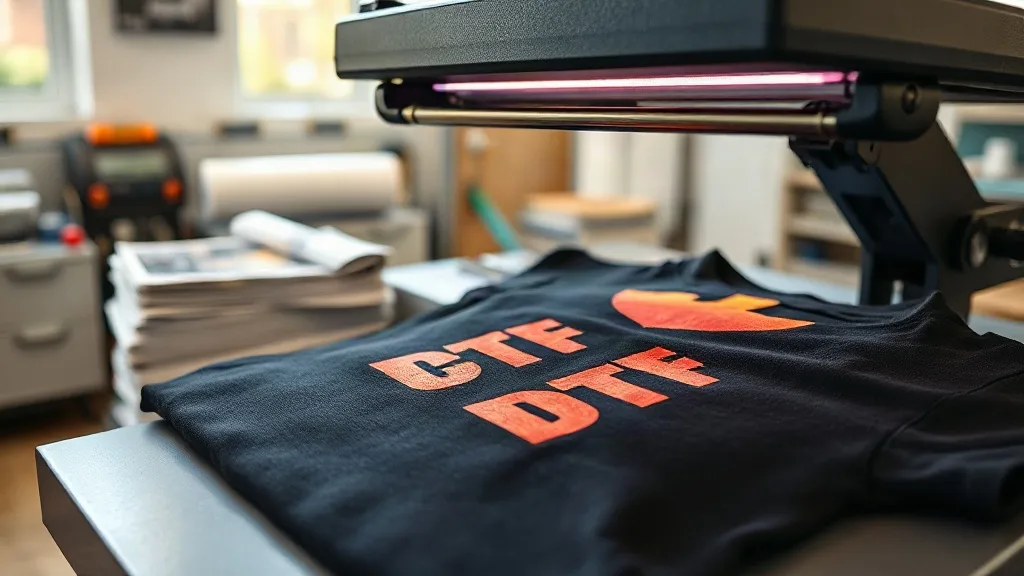
If you've been in the custom apparel game for even a short while, you've likely heard the buzz around dtf printing. It's not just another trend; it's a game-changer that's reshaping how we think about decorating garments. Unlike traditional methods that lock you into specific fabrics or colors, DTF (Direct to Film) opens up a world of possibilities. Whether you're a seasoned screen printer or a hobbyist with a heat press, understanding DTF transfers can significantly expand your offerings and keep your customers coming back for more.
In this guide, we'll walk you through everything you need to know about dtf transfers: what they are, why they're gaining popularity, and how to apply them like a pro. We'll also share practical tips to avoid common pitfalls and ensure your prints look stunning wash after wash. By the end, you'll have a clear roadmap to integrate DTF into your workflow and impress even the most demanding clients.
What Are DTF Transfers?
DTF stands for Direct to Film. It's a printing technique where your design is printed onto a special film using water-based inks, then coated with a thermoplastic adhesive powder. Once the powder is cured, the transfer is ready to be applied to a garment using a heat press. The magic lies in the adhesive: when heated, it bonds with the fabric fibers, creating a strong, flexible bond that feels soft to the touch.
Unlike DTG (Direct to Garment), which prints directly onto the fabric, DTF separates the printing and application steps. This means you can print designs in bulk ahead of time, store them, and apply them on demand. It also means you're not limited by the fabric type: DTF works on cotton, polyester, blends, and even tough materials like canvas and denim. That versatility is a major reason why DTF transfers have become a staple in many print shops.
A Brief History
DTF printing emerged in the early 2000s but really took off in the last decade as ink and film technologies improved. Early adopters struggled with durability and color vibrancy, but modern formulations have addressed those issues. Today, DTF transfers rival screen printing in durability and can produce fine details that rival DTG. The technology continues to evolve, with newer films and powders pushing the boundaries of what's possible.
Why Choose DTF Transfers?
There are plenty of decoration methods out there, so why should DTF be on your radar? Here are some compelling reasons:
- Fabric versatility: Works on almost any material, including 100% cotton, poly, blends, and even leather.
- No color limitations: Can print vibrant colors, gradients, and fine details without the setup costs of screen printing.
- Durability: When applied correctly, DTF prints withstand dozens of washes without fading or cracking.
- Soft feel: The adhesive powder creates a flexible, lightweight layer that doesn't feel like a plastic patch.
- Cost-effective for short runs: No minimums, no screens, no setup fees. Ideal for one-offs and small batches.
For businesses that offer both small custom orders and bulk production, DTF strikes a balance that few other methods can match. It's also a great option for printing on dark garments, where DTG often struggles to achieve opaque whites.
How DTF Transfers Work: Step by Step
Understanding the process helps you troubleshoot issues and get consistent results. Here's what happens from design to finished garment.
1. Design Preparation
Start with a high-resolution image. Vector files are ideal, but 300 DPI raster files work too. Remember that DTF prints white ink as a base, so your design should have a transparent background. If you're using a white design on a white shirt, you'll need to add a contrasting outline or choose a different color.
2. Printing
The design is printed onto a PET film using a DTF printer. These printers use CMYK plus white ink. The white ink is printed first as a base, followed by the colors. This layering ensures vibrant colors even on dark fabrics.
3. Powdering
While the ink is still wet, the film is sprinkled with a hot-melt adhesive powder. The powder sticks to the wet ink. Excess powder is shaken off, and the film is then heated to melt the powder, creating a smooth, dry surface. This step is crucial: uneven powdering leads to poor adhesion.
4. Curing
The film is cured in an oven or with a heat press to fully activate the adhesive. Proper curing ensures the transfer will bond permanently to the fabric. Skipping or rushing this step can result in prints that peel off after a few washes.
5. Application
Finally, the transfer is applied to the garment using a heat press. Temperature, pressure, and time vary depending on the fabric and transfer type, but a common setting is 325°F for 15 seconds with medium pressure. Always follow the manufacturer's recommendations and test on a scrap piece first.
Choosing the Right DTF Transfer for Your Project
Not all DTF transfers are created equal. Factors like film thickness, powder type, and ink quality affect the final result. Here's what to consider:
- Film type: Standard film works for most fabrics; stretch film is better for lycra and spandex.
- Powder grade: Fine powder gives a softer feel, while coarser powder offers stronger adhesion on rough fabrics.
- Ink quality: Cheaper inks may fade faster or produce duller colors. Invest in reputable brands.
- Transfer size: Larger transfers require more careful handling to avoid wrinkles during application.
If you're outsourcing your transfers, ask your supplier about their materials and testing standards. A reliable partner can save you hours of trial and error.
Common Mistakes and How to Avoid Them
Even experienced printers run into issues with DTF. Here are some frequent problems and their solutions:
- Peeling after wash: Usually caused by insufficient pressure, incorrect temperature, or under-curing. Double-check your heat press settings and ensure even pressure across the platen.
- Cracking: Often due to over-stretching the garment during application or using too high a temperature. Let the transfer cool completely before stretching.
- Dull colors: May result from expired ink or improper powdering. Use fresh supplies and ensure the powder is evenly distributed.
- Ghosting: When the transfer shifts during pressing. Use heat tape to secure it in place.
Keeping a log of your settings for each fabric type can help you replicate success and quickly identify what went wrong when issues arise.
DTF vs. Other Printing Methods
How does DTF stack up against screen printing, DTG, and vinyl? Let's compare:
- Screen printing: Cheaper for large orders, but requires setup and works best on flat fabrics. DTF wins for small runs and complex designs.
- DTG: Great for cotton, but limited on poly and dark shirts. DTF handles both with ease.
- Vinyl: Good for simple text and shapes, but not for photographic images. DTF excels at detailed art.
Each method has its place, but DTF's versatility makes it a valuable addition to any shop's arsenal.
Applications Beyond T-Shirts
DTF transfers aren't just for tees. They can be applied to:
- Hoodies and sweatshirts
- Tote bags
- Denim jackets
- Canvas shoes
- Performance wear (with stretch film)
- Home textiles like pillowcases
This opens up new revenue streams and creative possibilities. You can offer custom gifts, promotional items, and niche products without investing in multiple decoration technologies.
Tips for Long-Lasting Prints
To ensure your DTF prints survive repeated washing, follow these care instructions:
- Wash inside out in cold water.
- Avoid fabric softener and bleach.
- Tumble dry on low or hang dry.
- Do not iron directly on the print.
Educating your customers on proper care extends the life of their garments and reduces complaints.
Frequently Asked Questions
How durable are DTF transfers?
When applied correctly, DTF transfers can last 50+ washes without significant fading or cracking. Durability depends on proper application and garment care.
Can I use DTF on 100% polyester?
Yes, DTF works well on polyester, but you may need to adjust temperature and pressure to avoid scorching. Use a lower temperature (around 300°F) and test first.
Do I need a special printer for DTF?
Yes, DTF requires a printer that uses DTF inks and can handle PET film. Converted inkjet printers are common, but dedicated DTF printers offer better reliability.
What's the minimum order for DTF transfers?
One of the biggest advantages of DTF is that there's no minimum order. You can print a single transfer or thousands, making it perfect for custom orders.
How do I store unused DTF transfers?
Store them in a cool, dry place away from direct sunlight. Keep them flat to prevent creasing. Properly stored transfers can last for months.
Final Thoughts
DTF transfers are more than a passing fad; they're a robust, versatile solution for decorating apparel and more. By understanding the process, avoiding common mistakes, and choosing quality supplies, you can deliver outstanding results that keep customers coming back. Whether you're just starting out or looking to expand your services, DTF is worth exploring. With the right knowledge and a bit of practice, you'll be producing vibrant, durable prints that stand out from the crowd.