Choosing the right printing method can make or break your custom apparel business. With the rise of DTF transfers, many entrepreneurs now face a tough decision: stick with traditional screen printing or switch to the newer DTF technology. Each method has its strengths and weaknesses, and the best choice depends on your specific needs, budget, and production goals. In this detailed comparison, we'll break down the differences in quality, cost, durability, workflow, and more, so you can make an informed decision that drives your business forward.
Understanding the Basics
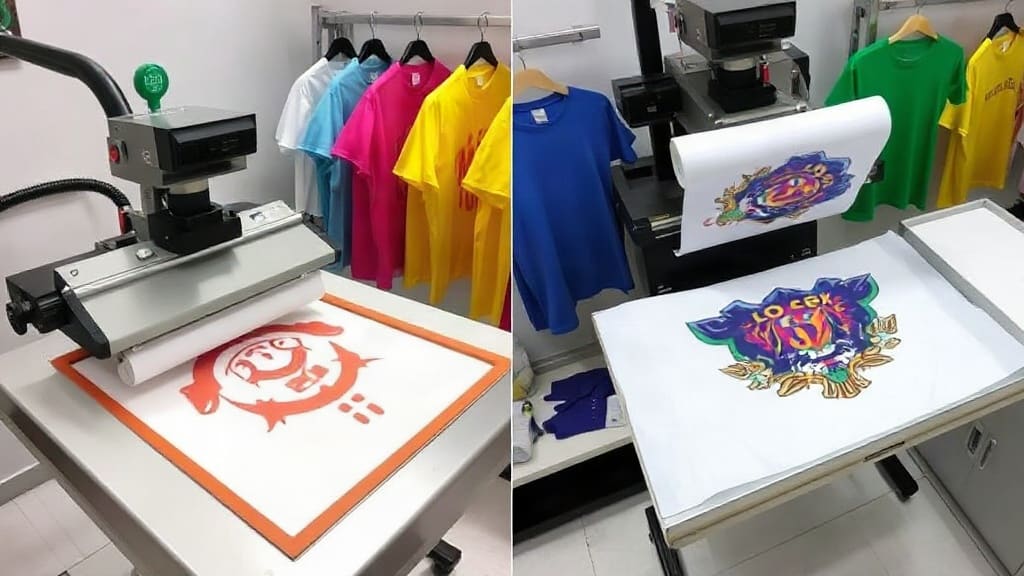
Before diving into the comparison, let's clarify what each process involves. Screen printing, also known as silkscreen printing, uses a mesh stencil to apply layers of ink onto a garment. It's a time-tested method that has been around for decades, favored for its vibrant colors and durability on certain fabrics. On the other hand, DTF transfers (direct-to-film) involve printing a design onto a special PET film using a DTF printer, then applying adhesive powder and heat-pressing it onto the fabric. This method has gained popularity due to its versatility and ease of use.
Quality and Detail Comparison
When it comes to print quality, both methods can produce impressive results, but they excel in different areas. Screen printing is renowned for its ability to lay down thick, opaque layers of ink, which results in vibrant colors that pop, especially on dark fabrics. However, it struggles with highly detailed designs, gradients, and photographic images. Achieving fine details often requires multiple screens and precise registration, which can be time-consuming and costly.
DTF transfers, on the other hand, use digital printing technology, which excels at reproducing intricate details, gradients, and full-color images with sharp clarity. Because the design is printed directly from a digital file, there's no loss of detail. This makes DTF ideal for complex logos, small text, and vibrant illustrations. While the colors may not be as thick or opaque as screen printing, modern DTF films and inks have significantly improved, offering excellent color saturation that rivals screen printing.
Texture and Feel
The feel of the print on the garment is another crucial factor. Screen printing creates a slightly raised texture, especially with plastisol inks, which some people find appealing for a classic, hand-printed look. However, it can feel stiff and heavy, particularly on light-weight fabrics. DTF transfers produce a thinner, softer print that blends with the fabric, making it more comfortable to wear. The adhesive powder used in DTF creates a smooth finish that doesn't crack easily, even after multiple washes.
Durability: Which Lasts Longer?
Durability is a key concern for both businesses and customers. Screen printing has a reputation for longevity, especially when using high-quality inks and proper curing. Prints can withstand hundreds of washes without fading or cracking, making them a top choice for workwear and products meant to last. However, screen prints can crack over time, especially if the garment is over-stretched or exposed to harsh washing conditions.
DTF transfers have improved dramatically in durability. When applied correctly, DTF prints can be just as durable as screen prints, with excellent resistance to washing and stretching. The key is using quality materials and ensuring the transfer is fully cured during the heat press. Many users report that DTF prints on cotton and cotton blends last as long as screen prints, with no cracking or peeling. However, on certain synthetic fabrics, DTF may not adhere as well, so testing is essential.
Cost Analysis: Initial Investment and Per-Print Cost
One of the biggest factors in choosing a printing method is cost. Screen printing requires a significant upfront investment in screens, emulsion, exposure units, and a large space for the equipment. For each new design, you must create a new screen, which adds to the cost, especially for small orders. This makes screen printing more cost-effective for large quantities, typically over 100 pieces per design, as the per-print cost decreases with volume.
DTF transfers have a lower barrier to entry. A DTF printer, film, adhesive powder, and heat press are the main investments, which can be more affordable than a full screen printing setup. Moreover, there's no screen creation cost per design. You simply print the file directly, which makes DTF extremely economical for small to medium orders, even as low as one piece. The per-print cost for DTF is relatively low, but it doesn't drop as dramatically with volume as screen printing does. For bulk orders of several hundred, screen printing often becomes cheaper per unit.
Hidden Costs and Labor
Screen printing involves many labor-intensive steps: burning screens, setting up registration, printing layers, and cleaning screens between colors. This requires skilled labor and takes time. DTF transfers streamline the process. Once the design is ready, printing and applying are quick and require minimal skill. This can save on labor costs and allow you to produce more in less time, especially if you're fulfilling multiple small orders.
Turnaround Time and Efficiency
Speed is critical in the custom apparel industry. Screen printing has a longer setup time, especially for multi-color designs, which can take several hours to prepare. This means you need to plan ahead, making it unsuitable for rush orders. DTF transfers eliminate most of the setup. After printing the film, you just cut and press. A single transfer can be applied in under a minute, making DTF perfect for on-demand production and quick turnarounds. You can even print a transfer and apply it while the customer waits, which is a huge advantage for retail and events.
Versatility and Fabric Compatibility
Screen printing works best on natural fabrics like cotton, but it can also be used on polyester and blends, though special inks are needed to avoid bleeding. DTF transfers are incredibly versatile. They adhere well to a wide range of fabrics, including cotton, polyester, nylon, and blends. This makes DTF a go-to choice for printing on items like tote bags, caps, and even leather, which are difficult for screen printing. If you need to print on diverse products, DTF offers more flexibility.
Environmental Impact
Eco-consciousness is becoming more important for businesses. Screen printing uses a lot of water for washing screens and can produce chemical waste. Water-based inks are more eco-friendly, but plastisol inks, which are common, contain PVC and phthalates. DTF transfers also have environmental considerations. The PET film is not biodegradable, and adhesive powders may contain microplastics. However, some manufacturers offer eco-friendly films and powders. Both methods have room for improvement, but if sustainability is a priority, you'll need to research and source responsibly.
Which One Is Right for Your Business?
Deciding between DTF transfers and screen printing depends on your business model and target market. If you focus on large bulk orders, offer classic designs with limited colors, and have the capital to invest in equipment, screen printing can provide the best profit margins. It's a proven method that customers trust for durability.
On the other hand, if you cater to small businesses, individual customers, or need to offer a wide variety of designs without inventory, DTF transfers are a game-changer. The ability to print on demand with no minimum order reduces risk and allows you to test new designs easily. DTF is also ideal for startups with limited space and budget, as the equipment footprint is smaller.
Combining Both Methods
Many successful apparel businesses use both methods. They use screen printing for high-volume, repetitive orders, and DTF for custom, low-volume, or complex designs. This hybrid approach maximizes efficiency and profit. For instance, you might screen print a base layer and then use DTF for small personalized details. By leveraging the strengths of each, you can expand your product offerings and cater to a broader clientele.
Frequently Asked Questions
Are DTF transfers as durable as screen printing?
Yes, when applied correctly and with quality materials, DTF transfers can be just as durable as screen printing. The key is to use the right adhesive powder, ensure proper curing temperature and time, and follow washing instructions. Many users report that DTF prints on cotton last for years without cracking or peeling.
Can DTF transfers be used on dark-colored garments?
Absolutely. DTF transfers work excellently on dark fabrics because the white adhesive layer acts as a base, making colors pop. Unlike some other printing methods, you don't need a white underbase separately; the DTF process includes it automatically.
What is the minimum order quantity for DTF transfers?
There is no minimum order quantity for DTF transfers. You can print a single transfer and apply it to one garment. This is one of the biggest advantages over screen printing, which typically requires a minimum of 10-20 pieces to be cost-effective.
Is DTF printing more expensive than screen printing for large orders?
For very large orders (e.g., 500+ pieces of one design), screen printing often has a lower per-unit cost due to the economies of scale. DTF transfers have a relatively consistent per-print cost, so they are more cost-effective for small to medium quantities. However, the labor savings and speed of DTF can offset the cost difference, especially if you value time.
Can I use DTF transfers on polyester or performance fabrics?
Yes, DTF transfers can be applied to polyester and performance fabrics, but you need to use a lower heat press temperature and possibly a different adhesive powder. It's essential to test on a sample piece first to avoid melting the fabric. With the right settings, DTF can work well on these materials.
Final Thoughts
Both DTF transfers and screen printing have their place in the custom apparel industry. There's no one-size-fits-all answer. Consider your budget, volume, design complexity, and target audience. If you're just starting out or need flexibility, DTF is a fantastic option. If you're scaling up and have consistent bulk orders, screen printing may be more economical. Many businesses find that offering both services attracts more customers and maximizes revenue. Whichever you choose, ensure you invest in quality equipment and materials to deliver the best results to your clients.