
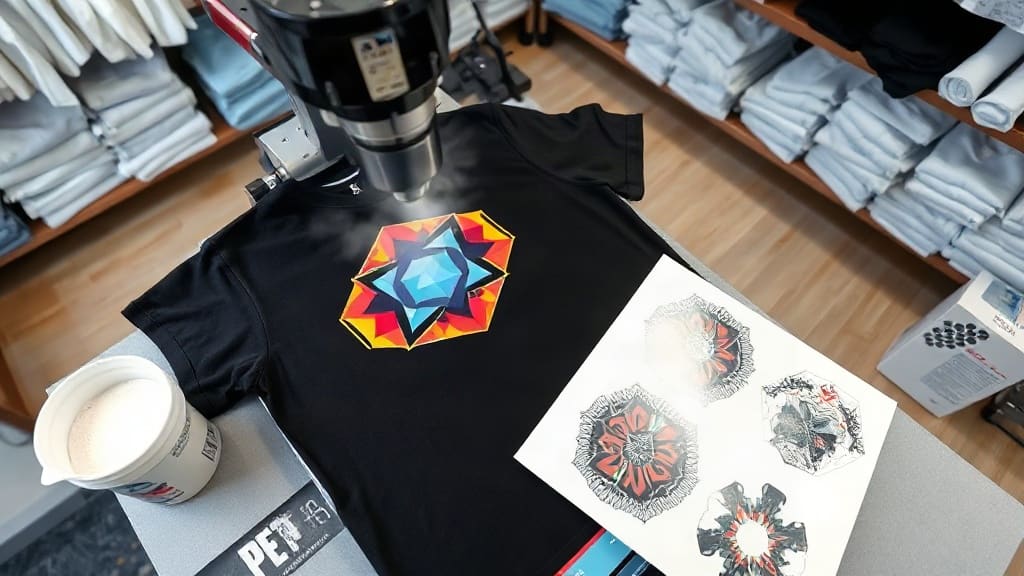
If you've been searching for a versatile and cost-effective way to customize apparel, you've likely come across DTF transfers. This innovative printing method has taken the industry by storm, offering a unique blend of quality, durability, and ease that appeals to both hobbyists and professionals. In this comprehensive guide, we'll dive deep into what DTF transfers are, how they compare to other methods, and how you can make the most of them for your projects.
What Are DTF Transfers?
DTF stands for Direct to Film. It's a printing technique where a design is printed onto a special PET film using a DTF printer and pigment-based inks. Once printed, a hot-melt adhesive powder is applied to the wet ink, and the film is heated to cure the powder. The result is a transfer that can be applied to a wide range of fabrics using a heat press. The process is relatively straightforward, making it accessible for small businesses and DIY enthusiasts.
How DTF Transfers Work: Step-by-Step
Understanding the process helps you appreciate why this method is so popular. Here's a simple breakdown:
- Create your design: Any digital image, logo, or artwork can be used. Ensure it has the right color profile and resolution.
- Print onto film: The design is printed in reverse onto a special PET film using a DTF printer and CMYK plus white ink.
- Apply adhesive powder: While the ink is still wet, a hot-melt adhesive powder is applied liberally over the printed area. This powder sticks to the ink.
- Shake off excess: Gently shake off any powder that didn't stick, leaving a fine layer on the design.
- Cure the transfer: The film is passed through a heating tunnel or heat press to melt and cure the adhesive powder.
- Press onto garment: Finally, you place the film on your garment, film side up, and apply heat and pressure with a heat press.
- Peel and finish: After cooling slightly, you peel off the film to reveal your vibrant, soft print.
Why Choose DTF Transfers? Key Benefits
There are several reasons why DTF transfers are becoming a favorite among custom apparel printers.
Versatility Across Fabrics
Unlike some methods that only work on cotton, DTF transfers adhere beautifully to cotton, polyester, blends, and even challenging materials like nylon and leather. This opens up endless possibilities for your product range.
Exceptional Durability
DTF prints are known for their stretchability and resistance to cracking, peeling, or fading. They can withstand numerous washes, making them ideal for everyday wear.
Soft Hand Feel
The prints have a soft texture that doesn't compromise the comfort of the garment. This is a huge plus for customers who value both looks and feel.
No Weeding Required
Compared to vinyl transfers, DTF doesn't require intricate weeding of fine details. This saves time and reduces errors, especially for complex designs with multiple colors or gradients.
Full-Color and Detailed Prints
With DTF, you can reproduce detailed artwork with vibrant colors and excellent color accuracy. The white ink layer ensures that colors pop even on dark garments.
DTF vs. Other Printing Methods
To truly appreciate DTF, it helps to see how it stacks up against alternatives.
DTF vs. DTG (Direct to Garment)
DTG prints directly onto the shirt, which can be slower and more expensive for small runs. DTF transfers can be prepared in advance and pressed quickly, making them more efficient for bulk orders and on-demand printing. They also work on more fabric types than DTG.
DTF vs. Screen Printing
Screen printing is great for large orders with limited colors, but setup costs are high. DTF offers a more affordable entry point for full-color designs and smaller quantities, with no minimum order requirements.
DTF vs. Vinyl Heat Transfer
Vinyl is limited to solid colors and requires weeding, which is tedious. DTF handles gradients, shadows, and photographic elements seamlessly, and the prints last longer.
Essential Equipment and Supplies for DTF Printing
If you're considering getting into DTF, here's what you'll need:
- DTF printer: Usually an Epson or similar printer modified for DTF printing with a white ink system.
- PET film: Specially coated film that releases the transfer easily.
- DTF inks: Pigment inks in CMYK plus white.
- Hot-melt adhesive powder: Fine powder that bonds the ink to the fabric.
- Heat press: For curing and pressing the transfers.
- Shaker and curing tunnel: For applying and curing the powder efficiently.
Tips for Perfect DTF Transfers
To achieve professional results, keep these tips in mind:
Choose the Right Film and Inks
Invest in high-quality film and inks from reputable suppliers. Cheap materials can lead to poor adhesion and premature fading.
Calibrate Your Printer
Regularly calibrate your printer to ensure color accuracy and sharp details. Use ICC profiles specific to your film and ink combination.
Master the Powder Application
Ensure the adhesive powder covers the entire design evenly. Too little powder results in weak adhesion; too much can cause a rough feel.
Optimize Pressing Parameters
Temperature, pressure, and time are critical. Generally, 320°F (160°C) for 10-15 seconds with medium to firm pressure works well, but always test on scrap fabric first.
Pre-Press Your Garments
Pre-pressing removes moisture and wrinkles, ensuring a smooth surface for better transfer.
Post-Press Care
After peeling, consider doing a quick final press with a parchment paper to enhance durability and remove any residue.
Common Mistakes to Avoid
Even experienced printers can stumble. Here are pitfalls to steer clear of:
- Skipping tests: Always test a sample before doing a full run to avoid costly errors.
- Using the wrong powder: Ensure your adhesive powder matches your ink type (some are for pigment inks, others for dye-sublimation).
- Over-curing: Too much heat can degrade the adhesive, causing poor adhesion.
- Ignoring film storage: Keep PET film away from heat and humidity to prevent sticking or warping.
Applications and Business Opportunities
DTF transfers open up many doors for entrepreneurial ventures. You can create custom apparel for sports teams, corporate events, and personal gifts. Many print shops are adding DTF to their services because it complements existing offerings. You can also sell DTF transfers themselves to other businesses that have heat presses but no DTF printer. This makes it a flexible product for both retail and wholesale.
Caring for DTF Printed Garments
To ensure longevity, your customers should follow simple care instructions: wash in cold water, turn the garment inside out, avoid bleach, and tumble dry on low. Ironing should be done only over the print with a protective barrier, or avoid ironing directly on the design.
Frequently Asked Questions
Can DTF transfers be used on dark-colored shirts?
Yes, the white ink layer in DTF printing provides an opaque base that makes colors pop on dark fabrics. It's one of the major advantages over methods like sublimation.
How long do DTF transfers last?
With proper care, DTF prints can last as long as the garment itself, withstanding over 50 washes without significant fading or cracking. The key is using quality materials and correct pressing techniques.
Do DTF transfers have a texture?
Modern DTF films and powders produce a print that is barely noticeable to the touch, especially when using a fine powder. It's softer than screen-print plastisol but slightly thicker than DTG prints.
Can I use DTF transfers on fabrics other than cotton?
Absolutely. DTF works on cotton, polyester, nylon, blends, and even some leathers and canvas. This makes it extremely versatile for various products like tote bags, hats, and uniforms.
Is DTF printing eco-friendly?
DTF uses water-based inks and produces minimal waste compared to screen printing. The PET film can be recycled in some areas, though it's always best to check local recycling guidelines.
Final Thoughts
DTF transfers have revolutionized custom apparel printing, offering an accessible, high-quality solution for businesses and creators alike. Whether you're just starting out or looking to expand your services, DTF is a technology worth embracing. By understanding the process and implementing best practices, you can produce stunning, durable designs that will keep your customers coming back. So why not give it a try? Your next masterpiece is just a press away.