If you're in the custom printing world, you've likely heard about dtf transfers. This printing method has taken the industry by storm, offering a versatile and cost-effective way to create vibrant designs on a wide range of fabrics. In this guide, we'll dive deep into what DTF transfers are, how they work, their advantages over other methods, and practical tips to get the best results. Whether you're a small business owner, a hobbyist, or just curious about the technology, this article is for you.
What Are DTF Transfers?
DTF stands for Direct to Film. It's a printing technique where a design is printed onto a special film, coated with adhesive powder, and then heat-pressed onto fabric. Unlike traditional screen printing or heat transfer vinyl, DTF transfers allow for full-color prints with no weeding, and they work on a variety of materials including cotton, polyester, blends, and even leather.
How Does the DTF Process Work?
The DTF process involves several steps, each crucial for a successful transfer. Here's a simplified breakdown:
- Printing: A specialized DTF printer prints the design in reverse onto a PET film using CMYK plus white ink. The white ink acts as a base for the colors to pop on dark fabrics.
- Powder Application: While the ink is still wet, a hot-melt adhesive powder is applied to the film. This powder is what allows the design to stick to the fabric.
- Drying: The film is then passed through a dryer or heat tunnel to melt the powder and cure the ink.
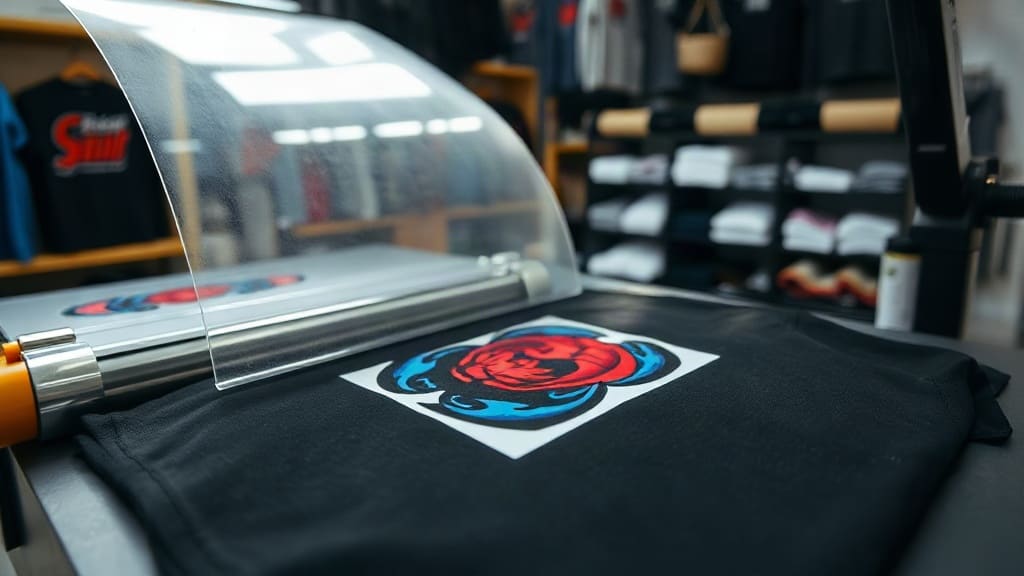
- Pressing: The film is placed on the fabric, ink side down, and heat-pressed for a specific time and temperature. The heat activates the adhesive and transfers the design.
- Peeling: After pressing, the film is peeled away, leaving the vibrant design on the fabric.
This process can be done in-house with the right equipment, or you can order custom DTF transfers from a provider like dtfprodesign.com.
Why Choose DTF Transfers?
Compared to other printing methods, DTF offers several compelling benefits:
- Versatility: Works on a wide range of fabrics and colors, including dark and stretchy materials.
- Durability: The prints are flexible and can withstand many washes without cracking or fading.
- Detail and Color: Produces high-resolution images with vibrant colors, perfect for complex designs.
- No Weeding: Unlike vinyl, there's no manual cutting or peeling of excess material.
- Cost-Effective for Small Runs: Ideal for on-demand printing and small quantities, with no minimum order requirements.
DTF vs. Other Printing Methods
To truly appreciate DTF, it's helpful to compare it with other popular techniques.
DTF vs. Screen Printing
Screen printing is excellent for large orders of simple designs, but it requires significant setup time and cost. DTF transfers offer a quicker turnaround for smaller batches and allow for intricate, multi-colored designs without additional setup.
DTF vs. Heat Transfer Vinyl (HTV)
HTV is limited to solid colors and requires weeding, making it time-consuming for complex designs. DTF, on the other hand, prints full-color graphics in one pass, saving time and labor.
DTF vs. Sublimation
Sublimation works only on polyester fabrics and white or light backgrounds. DTF is more versatile, working on cotton and dark fabrics, making it a better choice for many applications.
Getting Started with DTF Transfers
If you're ready to incorporate DTF into your business or hobby, here's what you need to know.
Equipment Needed
To produce your own DTF transfers, you'll need a DTF printer, specialized DTF inks, PET film, adhesive powder, and a heat press. This setup can be a significant investment, but there are also options to buy pre-made transfers from suppliers.
Choosing a Supplier
If you prefer to order transfers, look for a reputable supplier that offers high-quality prints and good customer service. Companies like dtfprodesign.com provide custom DTF transfers with fast shipping and competitive pricing.
Tips for Best Results
- Ensure your fabric is clean and free of wrinkles before pressing.
- Use a heat press with even pressure and temperature control.
- Follow the recommended time, temperature, and pressure settings for your specific transfer.
- Peel the film while it's still warm for a glossy finish, or cold for a matte finish, depending on your preference.
- Perform a test press on a scrap piece of fabric before applying to your final product.
Applications of DTF Transfers
DTF transfers are incredibly versatile, making them suitable for a variety of products:
- T-shirts, hoodies, and sweatshirts
- Tote bags and backpacks
- Athletic wear and jerseys
- Workwear and uniforms
- Promotional items and merchandise
Common Mistakes to Avoid
Even experienced printers can run into issues. Here are some common pitfalls and how to avoid them:
- Not curing the powder properly, leading to poor adhesion.
- Using the wrong heat settings, causing scorching or incomplete transfer.
- Peeling the film too early or too late, which can affect the finish.
- Storing films improperly, causing them to absorb moisture.
Care Instructions for DTF Garments
To ensure the longevity of your DTF prints, follow these care guidelines:
- Wash inside out in cold water.
- Avoid using bleach or fabric softeners.
- Tumble dry on low heat or hang dry.
- Do not iron directly on the design; use a pressing cloth if needed.
Frequently Asked Questions
Can DTF transfers be used on any fabric?
While DTF is versatile, it works best on cotton, polyester, and blends. For very stretchy fabrics like spandex, you may need to use a stretchable adhesive powder. It's always recommended to test on a small area first.
How long do DTF prints last?
With proper application and care, DTF prints can last for many washes. They are known for their durability and resistance to cracking and fading, making them a reliable choice for apparel.
Are DTF transfers eco-friendly?
Compared to some traditional printing methods, DTF can be more eco-friendly as it produces less waste, and many inks are water-based. However, the film and powder are not biodegradable, so it's important to dispose of them responsibly.
What is the minimum order quantity for custom DTF transfers?
One of the biggest advantages of DTF is that there is no minimum order requirement. You can order a single transfer or thousands, making it perfect for on-demand printing and small businesses.
Do I need a heat press for DTF transfers?
Yes, a heat press is essential for applying DTF transfers. While you might get away with a home iron, it won't provide the consistent pressure and temperature needed for professional results. A heat press ensures proper adhesion and longevity.
Final Thoughts
DTF transfers are a game-changer in the custom apparel industry, offering flexibility, quality, and ease of use. Whether you're looking to start a printing business or upgrade your existing process, DTF is definitely worth considering. With the right equipment or supplier, and by following best practices, you can create stunning, durable prints that your customers will love. If you're ready to explore custom DTF transfers, check out dtfprodesign.com for high-quality options that will bring your designs to life.