When you need custom printed apparel or promotional items, the search often begins with "dtf transfers near me." This simple query opens the door to a world of possibilities, but it also brings a challenge: how do you choose the right provider from the many options in your area? In this guide, we'll walk you through everything you need to know about finding and working with local DTF transfer specialists, from understanding the technology to evaluating quality and pricing.
What Are DTF Transfers?
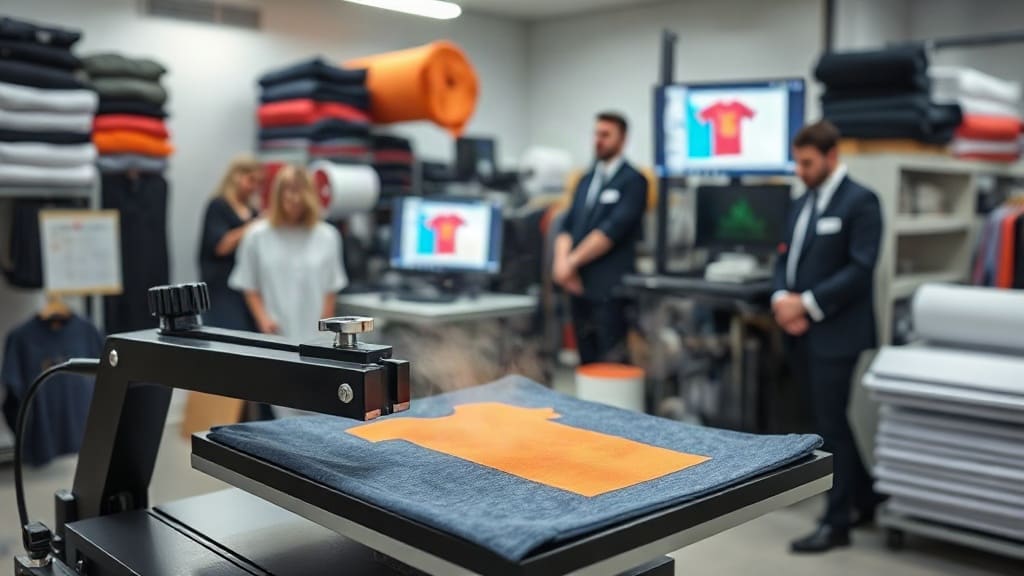
DTF (Direct to Film) transfers are a popular method for creating custom designs on garments, bags, and other textiles. Unlike screen printing or heat transfer vinyl, DTF involves printing your artwork onto a special film, applying an adhesive powder, and then heat pressing the film onto the fabric. The result is a vibrant, durable design that feels soft to the touch and can be applied to a wide range of materials, including cotton, polyester, and blends.
This technique has gained traction because it offers high detail, vibrant colors, and the ability to produce small batches economically. For small business owners, hobbyists, and even event organizers, dtf transfers near me provide a convenient way to get custom products without investing in expensive equipment. But not all providers are created equal, so it's essential to know what separates a great service from a mediocre one.
Why Choose a Local DTF Transfer Provider?
Opting for a local service has several advantages. First, you can visit the facility in person, see samples of their work, and discuss your project face-to-face. This builds trust and ensures clear communication. Second, local providers often offer faster turnaround times because you can pick up your order or have it shipped quickly within the area. Third, supporting local businesses contributes to your community's economy, which many people find rewarding.
However, the convenience of location shouldn't be the only factor. You also need to consider quality, price, and customer service. That's where this guide comes in. We'll help you navigate the process from start to finish, so you can make an informed decision.
How to Find the Best "DTF Transfers Near Me"
Your search might start online, but it shouldn't end there. Here are practical steps to find a reliable provider in your local area.
Start with Online Research
Begin by searching on Google, Yelp, or social media platforms like Instagram and Facebook. Look for businesses with high ratings and positive reviews. Pay attention to photos of their work, especially close-ups of prints that show detail and color accuracy. If they don't showcase their products online, that could be a red flag.
Ask for Recommendations
Reach out to local apparel printers, embroidery shops, or sign makers. They often have connections or might offer DTF services themselves. Also, ask fellow business owners or crafters in local Facebook groups for their experiences. Word-of-mouth is a powerful tool because you get honest feedback from people who have used the service.
Evaluate Their Portfolio
Once you have a shortlist, visit their website or physical location to see samples. Ask for a test print of a design you provide. A reputable provider will be happy to do this, perhaps for a nominal fee. Examine the print for:
- Color vibrancy and saturation
- Edge clarity and fine detail
- Softness of the print (should not feel rubbery or thick)
- Durability after washing (ask if they can provide a wash test)
Check Their Equipment and Expertise
DTF printing requires specialized printers, heat presses, and knowledge of color management. Ask about the equipment they use, how they handle color matching, and what film and adhesive powders they prefer. Experienced providers will be transparent about their processes and can explain how they ensure consistency in every batch.
Communicate Your Needs Clearly
When you contact a provider, be specific about your project. Describe the type of garment, the quantity, the colors in your design, and any deadlines. A professional will ask clarifying questions to make sure they understand your expectations. If they seem rushed or dismissive, that's a sign to look elsewhere.
Key Factors to Consider When Choosing a DTF Transfer Service
Beyond location, certain aspects determine whether you'll be satisfied with the final product. Let's break down the most important ones.
Print Quality and Resolution
The print resolution affects how sharp your design appears. High-quality DTF transfer near me should produce prints with at least 1200 DPI, ensuring fine lines and text are crisp. Ask for a sample with intricate details to test their capability. Also, check if they use CMYK plus white ink, as white is often needed for translucent or dark fabrics.
Material Compatibility
Not all transfer materials work on every fabric. Good providers will advise you on the best film and powder for your specific needs. For example, stretchable films are better for activewear, while standard films work fine on cotton. Ensure they ask about your garment type to avoid cracking or peeling.
Turnaround Time
Depending on your project, you might need urgent transfers. Local providers often offer same-day or next-day service for small orders, but it's wise to confirm. Inquire about their standard processing time and whether they offer rush services for an extra fee. For event orders, plan well in advance to avoid last-minute stress.
Pricing Transparency
Pricing can vary widely based on design complexity, size, quantity, and film type. A reputable provider will give you a clear quote after seeing your artwork. Be wary of extremely low prices, as they might indicate subpar materials or printing processes. Conversely, high prices don't always guarantee quality. Compare quotes from at least three providers to get a sense of the going rate in your area.
Customer Support
Throughout the process, you may have questions or need adjustments. Good customer service is invaluable. Look for a provider who responds promptly, offers constructive advice, and is willing to make things right if there's an issue. You can gauge this from initial interactions.
Sustainability Practices
If environmental impact matters to you, ask about their waste management and ink choices. Some DTF inks are more eco-friendly than others. While this might not be a dealbreaker, it's a consideration for some businesses.
DIY vs. Professional DTF Transfers
You might wonder whether to invest in your own DTF equipment or outsource. Let's compare the two options.
Pros of Using a Professional Service
Outsourcing to a professional dtf transfers near me saves you the significant upfront cost of equipment (which can run thousands of dollars) and the learning curve. You also benefit from their expertise in color management and troubleshooting. For small orders or occasional needs, this is the most cost-effective choice.
Cons of Outsourcing
The downside is that you rely on their schedule and capabilities. You might have to wait for your order, and you have less control over the production process. If you need rapid prototyping or have very unique requirements, a professional might not be as flexible as you'd like.
When to Consider DIY
If you plan to print large volumes regularly, buying your own DTF printer and heat press could be a worthwhile investment. However, factor in maintenance costs, supplies, and the time to master the technique. Many start by outsourcing, then gradually transition to in-house printing as their business grows.
Cost-Effective Tips for Your DTF Transfer Orders
To get the most value from your local provider, consider these strategies:
- Order in bulk to negotiate better discounted pricing per piece.
- Simplify your design if it's complex, as more colors and details increase cost.
- Provide your own apparel if possible; some providers offer transfer-only services and can apply the design to garments you supply.
- Ask about their pricing structure: do they charge per square inch, per color, or per sheet? Understanding this helps you optimize your design for cost.
- Plan for seasonal promotions early to avoid peak-time surcharges.
Common Mistakes to Avoid
Even with a top-notch provider, there are pitfalls you can avoid:
- Not providing high-resolution artwork: Always supply vector files (like AI or EPS) or high-res PNGs (300 DPI) to ensure clean prints.
- Ignoring fabric type: Ensure your garments are suitable for DTF transfers. Some materials like nylon or waterproof fabrics may not adhere well.
- Skipping a test print: Always do a sample before committing to a large batch. It saves you from costly errors.
- Forgetting about curing: Proper heat press temperature and pressure are crucial. Ask your provider about their recommended settings if you're applying transfers yourself.
- Overlooking size and placement: The transfer size should be proportional to the garment. A common mistake is making the design too large for a shirt, causing it to wrap around awkwardly.
DTF vs. Other Printing Methods: Why DTF Stands Out
If you're new to custom printing, you might be comparing DTF with screen printing or HTV. Here's a quick comparison:
Screen printing is excellent for large orders (100+) with simple designs and limited colors. It offers vibrant colors and durability but has high setup costs and isn't practical for small batches. HTV is great for single-color designs or small quantities, but it has a stiff feel and limited color gradients.
DTF bridges the gap. It allows full-color, high-detail prints without minimum order quantities. The prints are soft and durable, and they work on a variety of fabrics. This makes DTF ideal for small business owners who need custom pieces for their customers or personal projects.
How to Apply DTF Transfers at Home
If you decide to buy DTF transfers from a local provider and apply them yourself, here are step-by-step instructions:
- Preheat your heat press to the recommended temperature (usually around 320°F).
- Place the garment on the press and pre-press for 2-3 seconds to remove wrinkles and moisture.
- Position the transfer (film side) on the fabric.
- Press with medium pressure for 15 seconds (adjust based on provider's instructions).
- Wait for the film to cool slightly, then peel it off slowly. Some films require hot peel, others cold peel; follow the guidance.
- To ensure durability, you can do a second press with a Teflon sheet over the print for 5 seconds.
Always test on a scrap garment first to get the settings right.
Frequently Asked Questions
How long do DTF transfers last?
With proper application and care, DTF transfers can last for many washes without cracking or fading. The key is using quality materials and following the recommended pressing instructions. Typically, they hold up well for over 50 wash cycles if you wash inside out in cold water and avoid using bleach.
Can DTF transfers be used on dark fabrics?
Yes, DTF transfers work exceptionally well on dark fabrics because the white ink layer acts as a base, making colors pop. The film is printed with white underbase where needed, so your design remains vivid on black or navy shirts.
What is the minimum order quantity for DTF transfers?
Many local providers offer no minimum order, meaning you can order even a single transfer. This is a huge advantage over screen printing, which typically requires bulk orders. However, some businesses may have a minimum to cover costs, so it's best to ask.
Are DTF transfers eco-friendly?
The environmental impact depends on the inks and films used. Water-based inks are more environmentally friendly than solvent-based ones. Also, some films are recyclable. Ask your provider about their materials to make an informed choice.
How should I care for garments with DTF transfers?
To extend the life of your print, wash garments inside out in cold water with mild detergent. Avoid using fabric softeners, as they can break down the adhesive. Tumble dry on low or hang dry. Do not iron directly on the print; use a pressing cloth if needed.
Conclusion
Finding the right dtf transfers near me doesn't have to be overwhelming. By understanding what DTF is, knowing what to look for in a provider, and asking the right questions, you can ensure your custom printing project is a success. Whether you're a business owner looking to offer branded merchandise or an individual creating personalized gifts, local DTF services can bring your ideas to life quickly and affordably. Take the time to research, request samples, and build a relationship with a provider who values quality and customer satisfaction. With the right partner, you'll be thrilled with the results, and you'll know exactly where to turn for your future printing needs. Start your search today, and don't settle for anything less than exceptional.