You have a great idea for custom t-shirts, but you want that vibrant, durable print without investing in expensive equipment. This is where DTF (Direct to Film) printing has become a game changer. Instead of ordering from overseas or settling for mediocre heat press vinyl, you might be searching for DTF transfers near me. It is a smart move. Local suppliers can offer faster turnaround, lower shipping costs, and the opportunity to discuss your project face to face. In this guide, I will share what I have learned from working with various print shops, so you can find a partner who delivers excellent results every time.
What Exactly Is DTF Printing?
DTF stands for Direct to Film. It is a printing method where a design is printed onto a special PET film using a DTF printer. Then, an adhesive powder is applied to the wet ink, and the film is cured. The final transfer is applied to a garment using a heat press. The beauty of this process is that it works on many fabrics, including cotton, polyester, blends, and even nylon. The prints are soft to the touch, stretchy, and can be washed repeatedly without cracking or fading.
Because DTF does not require weeding (unlike vinyl), it is perfect for intricate designs with many colors or gradients. You can also print full-color photos and detailed logos. For small businesses and hobbyists, DTF offers a cost-effective way to produce custom apparel on demand.
Why Look for DTF Transfers Near Me?
When you search for DTF transfers near me, you are not just saving on delivery time. There are several practical benefits:
- Faster Turnaround: Local suppliers often get your order to you within a day or two, especially if you can pick it up.
- Lower Costs: No international shipping fees or customs duties. You might even save on bulk orders.
- Communication: You can call, visit, or even see samples in person. This reduces the risk of misunderstandings.
- Support Local Economy: Working with nearby businesses strengthens your community.
However, finding the right local shop requires some research. Not all printers offer the same quality, and you need to be able to spot the good ones.
How to Find DTF Transfer Providers in Your Area
Start with a simple online search. Type "DTF transfers near me" into Google, and you will get a list of local shops. But do not stop there. Use these strategies to narrow down your options:
1. Check Online Reviews and Social Media
Look for reviews on Google Maps, Yelp, or Facebook. Pay attention to comments about print quality, durability, and customer service. If possible, visit their social media pages to see real photos of their work. Many shops post videos of the printing process and finished products.
2. Ask for Samples
A reputable provider will happily send or show you sample transfers. Feel the film, press it onto a piece of fabric, and wash it a few times. This is the only way to know if the print will hold up. If they hesitate to give samples, consider it a red flag.
3. Evaluate Their Equipment and Inks
DTF quality depends heavily on the printer, ink, and adhesive powder. High-end shops use specialized DTF printers, such as those from Epson or Ricoh, and premium inks. Ask what type of printer they use. If they are vague or use generic terms, it might be a sign of lower quality. Also, inquire about the brand of adhesive powder; a good one ensures the transfer sticks well and stays flexible.
4. Compare Pricing Structures
Prices vary depending on design size, colors, quantity, and whether you need the film or just the print. Some shops charge per square foot, while others have a flat rate per transfer. Ask for a quote for your specific project. Be wary of prices that seem too low; they often mean lower quality ink or film.
5. Look for Customization Options
Do they offer color matching, resizing, or file setup help? A good shop will guide you through the design process. They should accept common file formats like PNG, JPEG, PDF, or AI. If you are not tech-savvy, they might even create the design for you for a fee.
What to Look for in High-Quality DTF Transfers
Once you have a few candidates, you need to know what separates a great transfer from a mediocre one. Here are the key factors:
Ink Vividness and Color Accuracy
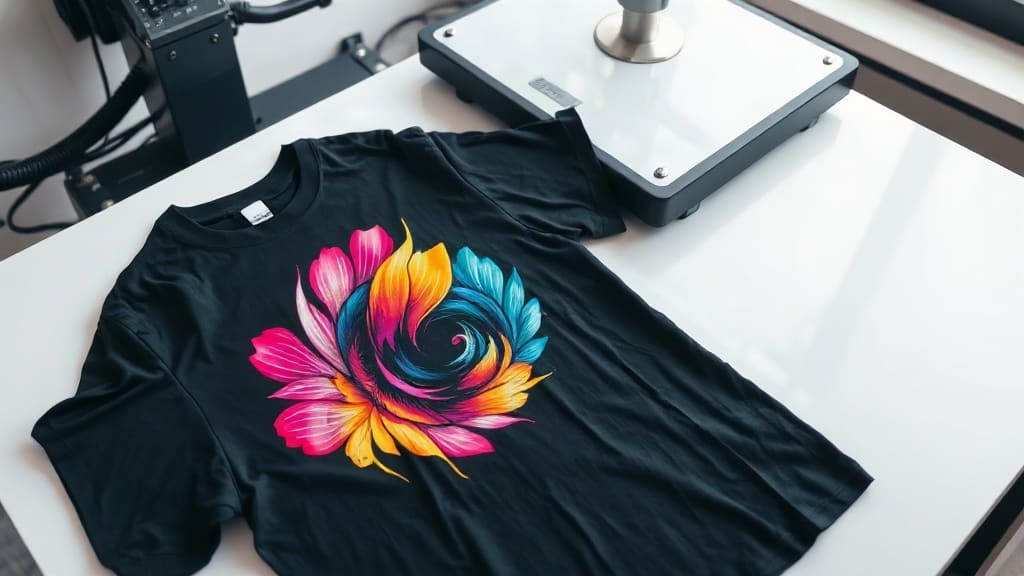
The colors should be vibrant and match your original design. The white underbase is crucial for printing on dark fabrics. If the white looks gray or thin, the final print will be dull. Ask to see a sample on a black shirt.
Adhesive Coverage and Powder Quality
The adhesive powder should be applied evenly. When you press the transfer, it should bond firmly to the fabric. After washing, there should be no peeling or cracking. A test wash is the best way to check this.
Film Quality and Release Properties
The film should peel off easily after pressing, leaving no residue. Some films are hot-peel, others cold-peel. The transfer should have a soft hand feel, not a thick plastic layer. You should be able to stretch the fabric without the print cracking.
Durability
DTF prints are meant to last. They should withstand multiple washes without fading. The prints should not fade after exposure to sunlight. Ask for the expected lifespan of the transfer. A reliable provider will back their product.
Common Mistakes to Avoid When Ordering DTF Transfers
Even when you find a good local shop, you can ruin your project with simple errors. Here are some pitfalls I have seen and how to avoid them:
Submitting Low-Resolution Images
If your design is blurry or pixelated, the DTF print will be blurry too. Always use high-resolution files, ideally 300 DPI. Most shops can advise you on the minimum size.
Ignoring Fabric Composition
While DTF works on many fabrics, it performs best on cotton and cotton blends. If you are printing on performance wear with high polyester content, do a test first. The adhesive may not bond well to synthetic fibers.
Using Incorrect Heat Press Settings
If you are applying the transfers yourself, follow the shop's instructions for temperature, pressure, and time. Too much heat can scorch the fabric, and too little will not cure the adhesive. Ask for a quick tutorial if you are new.
Not Ordering a Test Run
Always order a single test transfer before committing to a bulk order. This lets you check the quality and ensure the design is exactly what you want. It saves money in the long run.
How to Use DTF Transfers for Your Business
If you are running a clothing brand, print shop, or custom merchandise business, buying DTF transfers locally can be a strategic advantage. You can offer on-demand printing without holding high inventory. You can also test new designs quickly. Many local shops offer wholesale pricing for bulk orders. Build a relationship with them, and you might get priority service or discounts.
Another benefit is the ability to print small batches. With traditional screen printing, you might need to order 50 shirts minimum. With DTF, you can order just a few transfers. This is perfect for limited editions or samples.
DTF vs. Other Printing Methods
When you look for DTF transfers, it is helpful to understand how it compares to alternatives. I have used all these methods, and each has its place.
DTF vs. Screen Printing
Screen printing is cheaper for large quantities and offers excellent color vibrancy. However, it is not practical for small orders or highly detailed designs. DTF is more flexible and cost-effective for short runs.
DTF vs. DTG (Direct to Garment)
DTG prints directly onto the shirt, which is great for soft feel. But it requires the shirt to be pre-treated and works best on 100% cotton. DTF can be used on more fabrics and is easier to apply. For small orders, DTG might be faster, but DTF gives you the freedom to press anytime.
DTF vs. Vinyl
Vinyl is great for simple designs with few colors, but it is time-consuming to weed and not suitable for gradients. DTF handles all that effortlessly.
What to Ask a Potential DTF Supplier
Before you commit, ask these questions to any local provider:
- What type of DTF printer and inks do you use?
- Can I see samples of your work, especially on dark fabrics?
- What is your turnaround time for custom orders?
- Do you offer design assistance or file setup?
- What are your minimum order quantities?
- Do you have a satisfaction guarantee?
These questions will help you gauge their professionalism and expertise.
Cost of DTF Transfers: What to Expect
Pricing varies, but a typical 8x10 inch transfer might cost between $3 and $7, depending on complexity and quantity. For larger orders, the price per transfer drops. Some shops charge a setup fee if you need color corrections or resizing. Always get a detailed quote.
If you buy your own DTF printer, you can produce transfers for about $0.50 to $1.00 each, but the initial investment is thousands of dollars. Therefore, for small businesses, ordering from a local shop is often more economical.
Applying DTF Transfers: A Quick Guide
If you are applying the transfers yourself, here is a simple process that works for me:
- Preheat your heat press to 300°F (150°C) with medium pressure.
- Place the garment on the press and pre-press for 5 seconds to remove moisture.
- Position the transfer film on the shirt with the printed side down.
- Press for 15 seconds with firm pressure.
- Peel the film while it is hot (or cold, based on the film type).
- Cover the print with a Teflon sheet and press again for 5 seconds to ensure full bonding.
Remember to wait 24 hours before washing the garment to allow the adhesive to fully cure.
How to Get the Best Results from Your Local DTF Provider
To ensure your project runs smoothly, communicate clearly. Provide your artwork in the correct format and size. If you are not sure, ask. Send a mockup if you have one. Also, specify the fabric type and color. A good provider will offer advice based on your needs.
DTF Transfers Near Me: A Summary
Finding the right DTF transfers near me is about more than just a quick search. You need to evaluate the provider's quality, communicate effectively, and test their products. By doing so, you will get beautiful, durable prints that make your designs pop. Whether you are a hobbyist or a growing business, local DTF services can elevate your custom apparel game.
Frequently Asked Questions
How long do DTF transfers last?
DTF transfers are designed to be durable. With proper application and care, they can last for 50 or more washes without significant fading or cracking. The key is to use high-quality materials and follow the correct heat press instructions. Always allow the adhesive to cure fully before washing.
Can I use DTF transfers on dark shirts?
Yes, DTF is excellent for dark fabrics because it includes a white underbase. The white layer is printed behind the colors to ensure they appear vivid on black or navy garments. This is one of the biggest advantages over some other methods.
What is the minimum quantity for DTF transfers?
Many local DTF providers offer no minimum order quantity. You can order a single transfer for a test or a small batch. However, some shops may have a minimum of 5 or 10 pieces. It is best to ask directly.
How long does it take to get DTF transfers from a local shop?
Typically, a local shop can produce your DTF transfers within 1 to 3 business days, depending on the order size and complexity. If you need rush service, many providers can accommodate for an extra fee. Pickup options can further speed up the process.
Do I need a heat press to apply DTF transfers?
Yes, you need a heat press to apply DTF transfers. A home iron might not provide enough pressure or uniform heat, which could result in poor adhesion. A basic heat press is affordable and a worthwhile investment if you plan to use transfers regularly.
Can DTF transfers be used on polyester?
DTF transfers work on many synthetic fabrics, including polyester, but you need to be careful. Polyester has a lower melting point, so you should use a lower temperature and press for a shorter time. Always test on a sample piece first to avoid damaging the fabric.