If you’re in the custom apparel business or just starting out, you’ve probably heard about DTF printing. It’s the latest revolution in garment decoration, offering vibrant colors, durability, and flexibility that traditional methods struggle to match. But when you need DTF transfers for your next order, the search for the right supplier can be overwhelming. Maybe you’ve typed “DTF transfers near me” into Google and gotten dozens of results. How do you know which local printer will actually deliver quality? In this guide, I’ll walk you through exactly what to look for, the questions to ask, and how to make sure you’re getting the best value for your money.
What Are DTF Transfers?
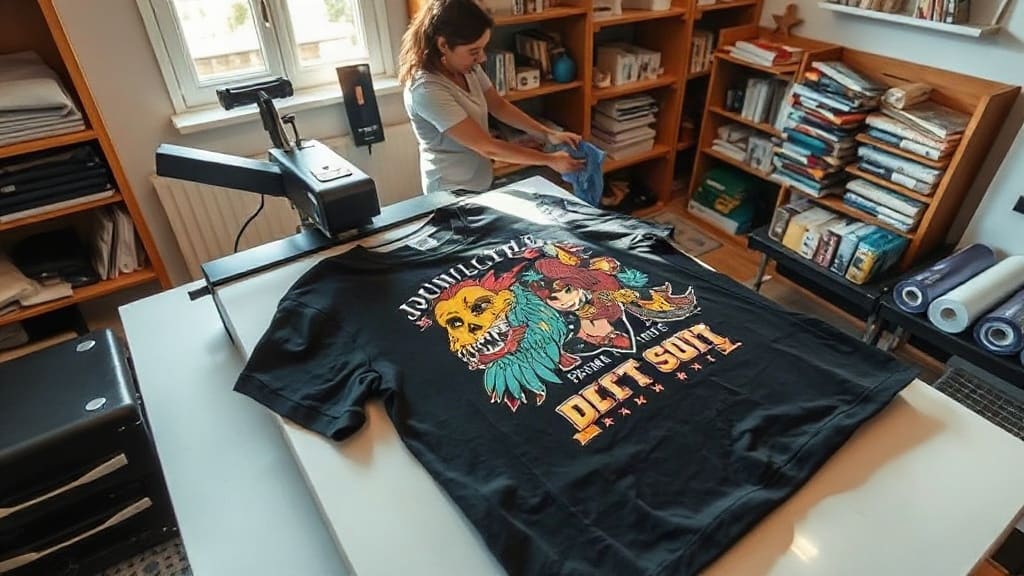
DTF stands for Direct to Film. It’s a printing process where a design is printed onto a special film, coated with adhesive powder, and then heat-pressed onto a garment. Unlike screen printing or vinyl, DTF doesn’t require weeding or complex setup. You can print full-color designs with gradients, details, and even white ink. The result is a soft, stretchable print that can be applied to cotton, polyester, blends, and even harder surfaces like hats or bags.
What makes DTF transfers so popular is their convenience. You can order prints from a supplier, store them, and apply them on demand. No need to own a printer or maintain screens. That’s why many small businesses and even hobbyists rely on local DTF printers.
Why Search for Local DTF Printers?
When you search for “DTF transfers near me,” you’re looking for a supplier in your geographic area. Why bother with local when there are countless online stores? Here are a few reasons:
- Faster turnaround: Local shipping or pickup means you get your transfers quickly, especially for last-minute orders.
- Quality control: You can visit the shop, see samples, and even test a print before committing to a large order.
- Personal support: You can talk directly to the printer, ask questions, and get recommendations.
- Supporting local business: It’s always nice to keep money in your community.
However, not all local DTF printers are created equal. You need to do your homework.
How to Evaluate a DTF Transfers Provider
Here’s the thing: DTF transfers can vary widely in quality. The film, ink, adhesive, and printing technique all affect the final result. If you pick the wrong supplier, you might get transfers that crack, fade, or peel after a few washes. That’s bad for your reputation. So, what should you look for?
Print Quality and Resolution
Ask to see actual samples of their work. Look for sharp edges, vibrant colors, and smooth gradients. A good DTF print should have no banding or pixelation. If possible, bring your own design and ask for a test print. Most reputable printers will do a small test order.
Film and Ink Quality
High-quality film ensures the transfer adheres well and doesn’t crack. Similarly, the ink must be durable. Some printers use cheaper inks that fade quickly. Ask what types of ink and film they use. Premium brands might cost a little more, but they’re worth it.
Adhesive Powder Application
The adhesive powder is what makes the transfer stick to the fabric. If it’s not applied evenly, you’ll get weak spots. A good printer will have precise control over the powder application, ensuring a strong bond.
Turnaround Time
How long does it take to produce your order? If you need transfers for an event, you can’t wait two weeks. Most local printers offer rush orders for an extra fee, but make sure they can meet your deadline.
Pricing Transparency
Nobody likes hidden fees. Ask for a quote that includes film, printing, powder, and any setup costs. Compare prices with other local printers, but remember that the cheapest isn’t always the best. Look for value, not just low cost.
Customer Reviews and Reputation
Check Google reviews, social media, and forums. Are there any complaints about quality or service? A few negative reviews are normal, but if you see a pattern, steer clear.
Questions to Ask Before You Order
Before you commit to a DTF transfers supplier, here are some questions to ask:
- Can I see a sample of your work?
- Do you offer a test print with my own design?
- What is your minimum order quantity?
- What are your turnaround times?
- Do you provide a proof before printing?
- What is your return or refund policy if the transfers are defective?
These questions will help you gauge their professionalism and willingness to work with you.
The Benefits of Ordering DTF Transfers Locally
Ordering from a local shop has several advantages that you might not get from an online-only supplier:
- Immediate support: If something goes wrong, you can walk into their shop and resolve it.
- Customization: You can discuss specific needs, like special film for stretchy fabrics or unique sizing.
- Building relationships: Over time, you might get discounts or priority treatment.
Plus, you reduce shipping risks. Transfers can be damaged in transit, but if you pick them up, they’re safe.
How to Make the Most of Your DTF Transfers
Once you’ve found a reliable local printer, you need to use the transfers correctly. Here are some tips:
- Follow the pressing instructions: Temperature, time, and pressure are crucial. Too much heat can melt the film; too little won’t adhere properly.
- Use a heat press, not a household iron: For consistent results, you need even pressure and temperature. A heat press is a worthwhile investment.
- Pre-press your garments: Remove moisture and wrinkles before applying the transfer.
- Peel hot or cold: Some transfers require hot peeling, others cold. Check with your supplier.
- Wash care: Tell your customers to wash garments inside out in cold water and avoid tumble drying on high heat.
Common Mistakes to Avoid
Even with high-quality DTF transfers, you can ruin the result if you’re not careful. Here are common pitfalls:
- Using too low pressure, resulting in incomplete adhesion.
- Pressing for too long, causing the film to shrink or the garment to scorch.
- Applying on wet or damp fabric.
- Peeling too fast or too slow, depending on the transfer type.
- Not testing on a sample first.
Always do a test press on a similar fabric before your entire batch.
When to Consider Online DTF Services Instead
While local is great, there are times when online providers make more sense. If you need a huge quantity and can wait for shipping, online suppliers often have lower prices due to economies of scale. Also, if you live in a remote area with no local DTF printer, online is your only option. But if you have the choice, supporting local businesses can be rewarding.
Conclusion
Finding the right DTF transfers provider doesn’t have to be a shot in the dark. By searching for “DTF transfers near me” and then evaluating candidates based on quality, service, and value, you can build a reliable partnership. Remember to ask for samples, check reviews, and test before you buy in bulk. A good local printer is worth their weight in gold, saving you time and headaches. So go ahead, do your research, and get those beautiful, durable transfers for your next project. Your customers will thank you.
Frequently Asked Questions
How long do DTF transfers last?
If applied correctly and cared for properly, DTF transfers can last for many washes without fading or cracking. The durability depends on the quality of the film, ink, and adhesive, as well as the fabric and washing conditions. On cotton or polyester blends, you can expect over 50 washes with proper care. Always follow the manufacturer’s instructions for best results.
Can DTF transfers be used on dark garments?
Yes, one of the biggest advantages of DTF printing is that it includes a white underbase, so you can print on dark shirts, hoodies, and even black bags without any issue. The white ink creates a base that makes colors pop. Just make sure your supplier uses high-quality white ink that doesn’t yellow or crack.
What is the minimum order quantity for DTF transfers?
This varies by supplier. Some local printers have no minimum, while others require at least 10 or 20 pieces. If you’re just starting out, look for a printer that offers small batches or even individual sheets. That way, you can test without a big investment.
How do I store DTF transfers?
Store your DTF transfers in a cool, dry place away from direct sunlight. Keep them flat to avoid wrinkles. If stored properly, they can last for months or even years. Avoid humidity, as it can affect the adhesive powder. Always check the expiration date if provided by your supplier.
Can I use DTF transfers on non-fabric surfaces?
Yes, DTF transfers are versatile. You can apply them to hard surfaces like mugs, coasters, and even wood, as long as the surface can withstand the heat press temperature. However, for hard surfaces, you might need a special adhesive or a different heat press pad. Always test on a small area first.