
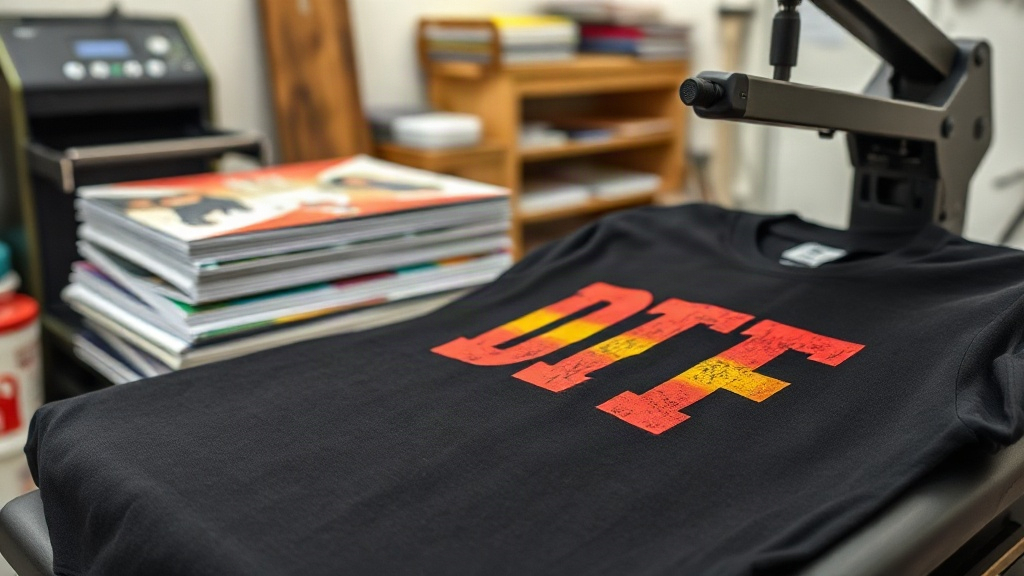
If you've been exploring custom apparel printing, you've likely encountered DTF transfers. This innovative technology is rapidly gaining popularity for its versatility and vibrant results. Unlike traditional methods, DTF transfers allow you to print full-color designs on a wide range of fabrics without the need for weeding or special pretreatment. In this guide, I'll walk you through everything you need to know to get started with DTF transfers, from understanding the process to applying them flawlessly.
What Are DTF Transfers?
DTF stands for Direct to Film. It's a printing method where your design is printed onto a special film, coated with a powder adhesive, and then heat-pressed onto the fabric. The result is a soft, stretchable print that bonds permanently to the material. Unlike DTG (Direct to Garment) printing, DTF transfers work on almost any fabric, including cotton, polyester, blends, and even nylon. This makes them a game-changer for small business owners and hobbyists alike.
Why Choose DTF Transfers?
There are several compelling reasons to consider DTF transfers for your next project:
- Versatility: Works on a wide range of fabrics and colors, including dark garments.
- Durability: Prints are stretchable and resistant to cracking, peeling, and fading.
- No Weeding: Unlike vinyl, there's no tedious weeding process, saving time and labor.
- Full-Color: Achieve photographic detail and gradients without color limitations.
- Cost-Effective: Low setup costs and minimal waste, ideal for short runs and custom orders.
How DTF Transfers Work
The DTF process involves several key steps:
- Design Preparation: Your artwork is prepared digitally, ensuring it's mirrored and sized correctly.
- Printing: A specialized DTF printer prints the design onto a PET film using CMYK and white inks.
- Powder Application: While the ink is wet, a hot-melt adhesive powder is applied evenly over the design.
- Curing: The film is heated to melt the powder, creating a dry, tacky surface.
- Transfer: The film is placed on the fabric and heat-pressed, transferring the design permanently.
Materials You'll Need
Before you start, gather these essentials:
- DTF printer (or outsourced DTF transfer supplier)
- DTF film (PET film)
- DTF ink (CMYK and white)
- Hot-melt adhesive powder
- Heat press
- Heat-resistant tape
- Parchment paper or Teflon sheet
Step-by-Step Application Guide
Applying DTF transfers is straightforward if you follow these steps:
1. Prepare Your Workspace
Set your heat press to the recommended temperature (usually 300-325°F or 150-160°C). Ensure your garment is clean, dry, and free of wrinkles.
2. Position the Transfer
Place the DTF transfer face-up on the garment. Use heat-resistant tape to secure it if needed.
3. Press the Transfer
Cover with parchment paper and press for 10-15 seconds with medium pressure. This transfers the design.
4. Peel the Film
Wait for the transfer to cool completely (cold peel) or peel while warm (hot peel) depending on the film type. Most DTF transfers are cold peel for best results.
5. Post-Press
For added durability, press again for 5-10 seconds with parchment paper to smooth the print.
Common Mistakes to Avoid
Even with a simple process, errors can happen. Here are pitfalls to watch for:
- Insufficient Pressure: Leads to poor adhesion and premature peeling.
- Wrong Temperature: Too hot scorches the fabric; too cool doesn't activate the adhesive.
- Incomplete Cooling: Peeling too early can distort the design.
- Stretching the Film: Handle transfers gently to avoid wrinkles.
Tips for Best Results
To ensure your DTF transfers look professional and last long:
- Always test on a scrap piece of fabric first.
- Use a heat press, not an iron, for consistent pressure and temperature.
- Store unused transfers in a cool, dry place away from direct sunlight.
- Wash garments inside out in cold water and tumble dry low to extend print life.
Frequently Asked Questions
How long do DTF transfers last?
With proper application and care, DTF transfers can last as long as the garment itself, often 50+ washes without significant fading or cracking.
Can I use DTF transfers on dark colors?
Absolutely! DTF transfers include a white ink base that makes colors pop on dark fabrics, unlike DTG which may require pretreatment.
Do I need a special printer for DTF?
Yes, DTF requires a dedicated DTF printer with white ink capabilities. However, you can also order pre-made transfers from suppliers if you don't want to invest in equipment.
What fabrics work best with DTF?
DTF works on cotton, polyester, blends, nylon, and even leather. It's not recommended for fabrics with heavy coatings or waterproof treatments.
Can I stretch DTF prints?
Yes, DTF transfers are stretchable and won't crack when the fabric stretches, making them ideal for activewear.
Final Thoughts
DTF transfers offer a versatile, durable, and cost-effective solution for custom apparel printing. Whether you're a small business owner or a DIY enthusiast, mastering this technique can open up endless creative possibilities. With the right tools and a bit of practice, you'll be producing vibrant, long-lasting prints in no time. So why not give DTF transfers a try for your next project? Your customers will love the quality, and you'll love the ease.