
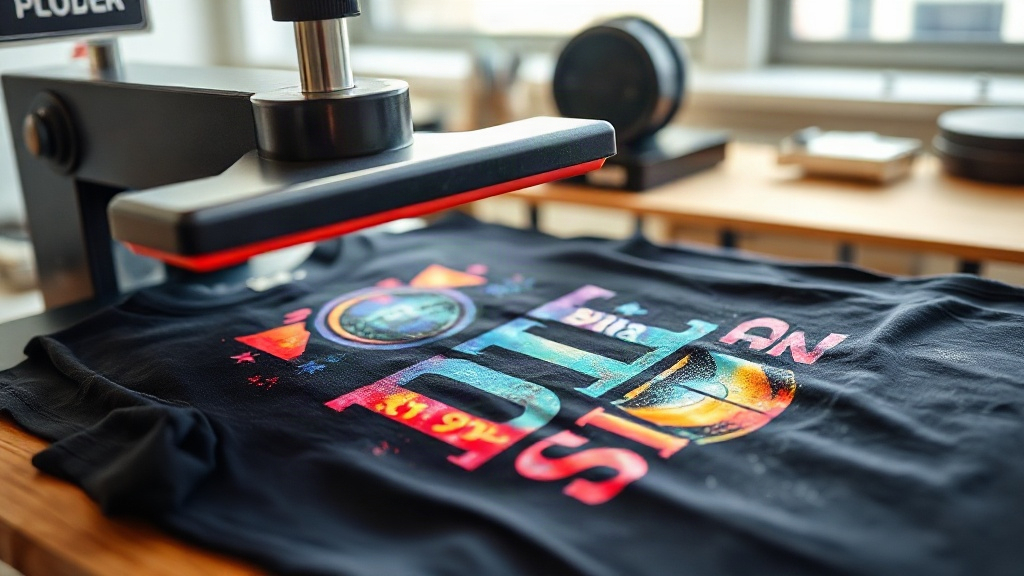
Custom apparel has never been more accessible, thanks to DTF transfers. Whether you're a small business owner, a hobbyist, or someone looking to create personalized gifts, DTF transfers offer a versatile and cost-effective solution. Unlike traditional methods like screen printing or vinyl, DTF transfers allow you to print full-color designs on a variety of fabrics with impressive durability. In this guide, we'll walk you through everything you need to know about DTF transfers, from the basics to advanced tips, so you can start creating professional-quality apparel right away.
What Are DTF Transfers?
DTF stands for Direct to Film. It's a printing technology where your design is printed onto a special film, coated with a powder adhesive, and then heat-pressed onto the fabric. This method eliminates the need for weeding or cutting, making it faster and more efficient for complex designs. The result is a soft, stretchable print that adheres well to cotton, polyester, and blends. DTF transfers are particularly popular for small batches and custom orders because they don't require minimum quantities or setup fees.
How DTF Transfers Differ from Other Printing Methods
Compared to screen printing, DTF transfers are more cost-effective for small runs and offer unlimited color possibilities without additional costs. Unlike DTG (Direct to Garment), DTF works on dark and light fabrics without pre-treatment, and it can be used on a wider range of materials. Vinyl transfers, on the other hand, are limited to single-color designs and require weeding, which is time-consuming. DTF transfers combine the best of both worlds: full-color, durable prints with minimal labor.
The DTF Transfer Process Step by Step
Understanding the process helps you achieve consistent results. Here's a breakdown of the key steps:
- Design Preparation: Create your artwork in a graphics program. Ensure it's mirrored if your printer requires it. Use high-resolution images for best quality.
- Printing: Your design is printed onto a PET film using specialized DTF inks. The printer lays down a white ink layer as a base, followed by CMYK colors.
- Powdering: While the ink is still wet, a thermoplastic powder is applied evenly over the print. This powder acts as the adhesive when heated.
- Curing: The film passes through a heat source to melt the powder, creating a dry, tack-free surface.
- Transfer: The film is placed on the fabric and heat-pressed at a specific temperature and pressure. After cooling, the film is peeled away, leaving the design bonded to the fabric.
Key Equipment and Materials
To get started with DTF transfers, you'll need a DTF printer, DTF inks, PET film, thermoplastic powder, and a heat press. A quality heat press is crucial for even adhesion. You'll also need a design software and a computer. While the initial investment can be significant, the versatility and low cost per print make it worthwhile for many businesses.
Why Choose DTF Transfers for Your Custom Apparel?
DTF transfers offer numerous advantages that make them a top choice for custom apparel:
- Vibrant Colors: DTF prints can reproduce intricate details and gradients with stunning accuracy.
- Fabric Versatility: Works on cotton, polyester, blends, and even leather or denim.
- Durability: When applied correctly, DTF prints withstand repeated washing without cracking or fading.
- No Weeding: Save time and labor by skipping the weeding process.
- Cost-Effective for Small Batches: No minimums, so you can print one-off designs profitably.
Common Applications
From t-shirts and hoodies to tote bags and caps, DTF transfers are used across a wide range of products. They're ideal for personalized gifts, team uniforms, promotional items, and fashion apparel. Small businesses often use DTF to offer custom designs without investing in multiple screen setups.
Tips for Perfect DTF Transfers
To ensure your DTF transfers look professional and last long, follow these expert tips:
- Choose the Right Film: Not all PET films are created equal. Use films designed for DTF printing to avoid issues.
- Control Moisture: Fabric moisture can affect adhesion. Pre-press the garment to remove moisture before transferring.
- Optimize Heat Press Settings: Temperature, pressure, and time vary by fabric and transfer. Always test before full production.
- Proper Storage: Store unused transfers in a cool, dry place to prevent powder from absorbing moisture.
- Wash Care: Wait 24 hours before washing, and turn garments inside out to prolong print life.
Troubleshooting Common Issues
If you encounter problems like incomplete transfer or peeling, check your heat press settings. Insufficient pressure or temperature is often the culprit. Also, ensure the powder is fully cured; under-cured powder can cause clogging in the printer or poor adhesion. For more detailed troubleshooting, refer to our DTF transfers resources on dtfprodesign.com.
DTF Transfers vs. Other Methods: A Comparison
When deciding on a printing method, consider factors like cost, durability, and design complexity. DTF transfers excel in all these areas, but it's helpful to compare:
- Screen Printing: Best for large orders with simple designs; DTF is better for detailed, multi-color designs and small runs.
- DTG: Ideal for cotton, but requires pre-treatment and can be less durable on dark shirts; DTF works on more fabrics without pre-treatment.
- Vinyl: Limited to one color and requires weeding; DTF offers full-color without weeding.
- Sublimation: Only works on polyester and light colors; DTF works on any color and fabric.
Each method has its place, but DTF transfers are a versatile addition to any custom apparel business.
Frequently Asked Questions About DTF Transfers
How long do DTF transfers last?
With proper application and care, DTF transfers can last as long as the garment itself. They withstand 50+ washes without significant fading or cracking when washed inside out in cold water and tumble dried low.
Can I use DTF transfers on 100% polyester?
Yes, DTF transfers adhere well to polyester. However, because polyester is heat-sensitive, use lower temperature settings (around 280°F) and shorter press times to avoid scorching.
Do I need a special printer for DTF transfers?
Yes, you need a DTF printer that uses DTF inks and can handle PET film. Converted inkjet printers are available, but dedicated DTF printers offer better reliability and print quality.
What is the best way to store DTF transfers?
Store them in a cool, dry environment, away from direct sunlight. Keep them in a sealed bag or container to prevent moisture from affecting the powder adhesive.
Can I layer DTF transfers?
Yes, you can layer DTF transfers for multi-color designs. Press each layer separately, following the recommended settings, to ensure proper adhesion.
DTF transfers have opened up new possibilities for custom apparel. With their vibrant colors, durability, and ease of use, they're a valuable tool for anyone in the garment decoration business. Whether you're just starting out or looking to expand your offerings, mastering DTF transfers can set you apart. For high-quality DTF supplies and more tips, visit dtfprodesign.com.