
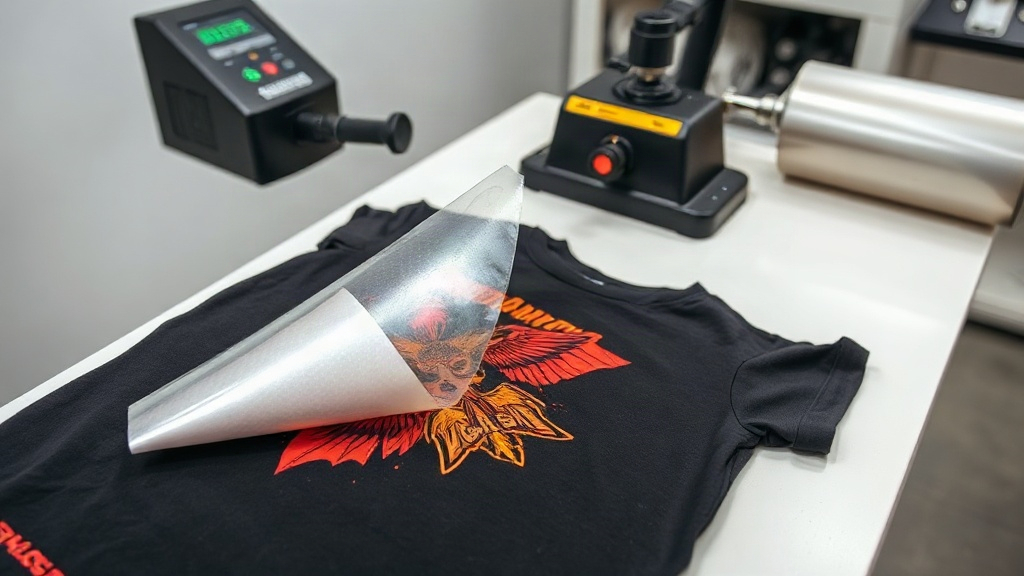
If you've been exploring custom apparel printing, you've likely encountered DTF Transfers. This innovative technology is quickly becoming a favorite among crafters, small business owners, and DIY enthusiasts. But what exactly are DTF transfers, and why are they gaining so much traction? In this guide, we'll break down everything you need to know to get started with confidence.
What Are DTF Transfers?
DTF stands for Direct to Film. It's a printing method where your design is printed onto a special film, coated with a adhesive powder, and then heat-pressed onto fabric. Unlike DTG (Direct to Garment) or screen printing, DTF transfers offer incredible versatility and can be used on a wide range of materials, including cotton, polyester, blends, and even nylon. The process involves a specialized printer, DTF film, and a heat press.
How DTF Transfers Work: Step by Step
Understanding the workflow helps you achieve consistent results. Here's a breakdown of the DTF process:
- Design Preparation: Create your artwork and print it onto DTF film using a DTF printer with special inks.
- Powder Application: While the ink is still wet, apply hot melt adhesive powder evenly over the print.
- Curing: Shake off excess powder and cure the film under heat, usually with a heat press or oven, until the powder melts and bonds with the ink.
- Transfer: Place the cured film onto your fabric and apply heat and pressure with a heat press to transfer the design.
- Peel: After pressing, peel the film away (hot or cold peel depending on the film type) to reveal your vibrant design.
Why Choose DTF Transfers?
DTF transfers have several advantages that make them stand out:
- Versatility: Works on almost any fabric, including dark and light colors, without needing pre-treatment.
- Durability: When applied correctly, DTF prints are stretchable, crack-resistant, and washable.
- Detail: Achieve fine details, gradients, and photorealistic images with ease.
- Cost-Effective: No minimum order quantities, making it ideal for small businesses and one-off projects.
- Speed: Once you have a DTF printer, you can produce transfers quickly, reducing turnaround time.
DTF vs. Other Printing Methods
How does DTF compare to DTG, screen printing, and vinyl? Let's break it down:
DTF vs. DTG
DTG prints directly onto the garment, which limits it mostly to cotton. DTF can be used on more fabrics and often produces more vibrant colors on dark shirts. However, DTG may feel softer on the hand for light-colored cotton.
DTF vs. Screen Printing
Screen printing is cost-effective for large orders but requires setup per color. DTF has no setup costs and handles complex designs easily, making it better for small batches and detailed art.
DTF vs. Heat Transfer Vinyl (HTV)
HTV is great for simple shapes and text but struggles with complex, multi-color designs. DTF excels at full-color images and doesn't require weeding.
Getting Started with DTF Transfers
Ready to dive in? Here's what you need:
- DTF Printer: Options range from converted Epson printers to dedicated DTF machines. Choose based on your volume and budget.
- DTF Film: Available in sheets or rolls. Ensure it's compatible with your printer and ink.
- DTF Ink: Special pigment inks designed for DTF printing.
- Adhesive Powder: Typically TPU-based, available in fine or coarse grades.
- Heat Press: A reliable heat press with accurate temperature and pressure control is crucial.
- Software: RIP software to manage color and print settings.
Tips for Flawless DTF Transfers
To ensure your transfers come out perfect every time, keep these tips in mind:
- Control Moisture: Fabric moisture can ruin a transfer. Pre-press garments to remove moisture.
- Even Powder Application: Too much powder leads to a rough feel; too little causes poor adhesion. Aim for a light, even coating.
- Proper Curing: Under-curing results in wash-off; over-curing can ruin the film. Follow the manufacturer's guidelines.
- Pressure Matters: Insufficient pressure prevents proper adhesion. Use medium to high pressure.
- Test First: Always do a test press on a scrap fabric to dial in your settings.
- Storage: Store unused transfers in a cool, dry place to prevent powder from absorbing moisture.
Common Mistakes to Avoid
Even experienced crafters can slip up. Watch out for these pitfalls:
- Ignoring Fabric Type: Some fabrics like nylon require lower temperatures. Always check compatibility.
- Reusing Film: DTF film is single-use. Reusing it leads to poor transfers.
- Skipping Pre-Press: Not pre-pressing can cause wrinkles and moisture-related failures.
- Inconsistent Pressure: Uneven pressure results in patchy adhesion.
- Rushing the Peel: Peeling too soon or too late can distort the design. Follow the film's instructions.
Frequently Asked Questions
What fabrics can I use with DTF transfers?
DTF transfers work on a wide range of fabrics, including cotton, polyester, blends, nylon, and even leather. However, for best results, always test on a small area first, especially with specialty fabrics.
How do I wash garments with DTF transfers?
Turn the garment inside out and machine wash in cold water. Avoid bleach and fabric softeners. Tumble dry on low or hang dry. Wait at least 24 hours after pressing before washing.
Can I stretch DTF prints?
Yes, DTF prints are stretchable and will move with the fabric without cracking, provided they are applied correctly with adequate pressure and curing.
Do I need a special printer for DTF?
Yes, you need a DTF printer that uses DTF inks. Some people convert Epson printers, but dedicated DTF printers are available and recommended for consistent results.
How long do DTF transfers last?
With proper application and care, DTF transfers can last as long as the garment itself. They are durable and resistant to cracking and fading.
Final Thoughts
DTF transfers are a game-changer in the world of custom apparel. Whether you're a hobbyist or a business owner, mastering this technique opens up endless creative possibilities. Remember to practice, follow the guidelines, and soon you'll be producing professional-quality prints with ease. For more tips and high-quality DTF supplies, visit DTF Pro Design.