
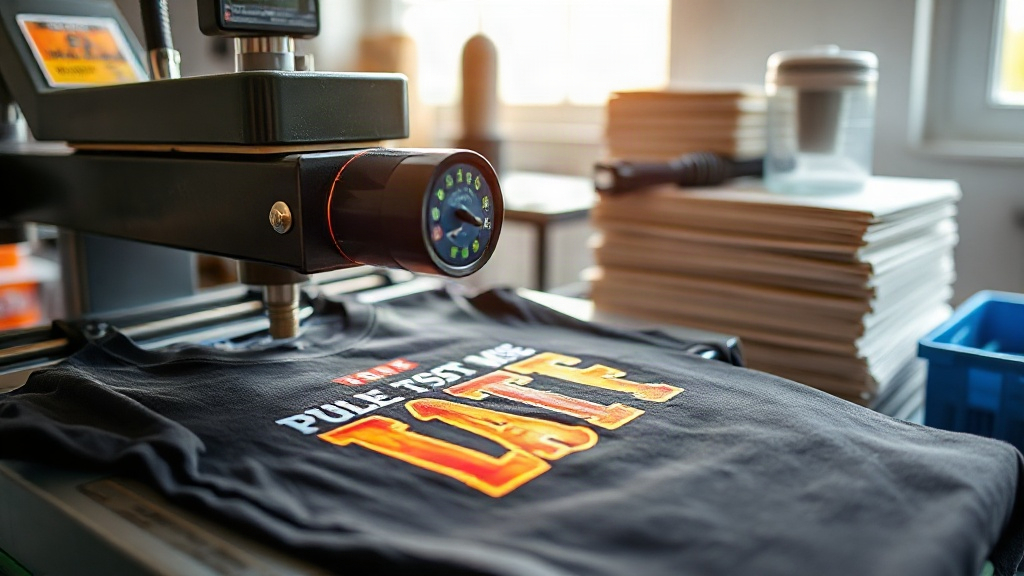
If you've been exploring custom apparel, you've likely encountered DTF Transfers. This innovative printing method is rapidly becoming a favorite among hobbyists and professionals alike, offering vibrant colors and incredible detail on a wide range of fabrics. But what exactly are they, and how can you use them to create stunning, long-lasting prints? Let's dive into the world of DTF transfers and uncover everything you need to know to get started.
What Are DTF Transfers?
DTF stands for Direct to Film. Unlike traditional vinyl or screen printing, DTF transfers involve printing your design onto a special film using pigmented inks, then applying a powder adhesive to the wet ink. Once the powder is cured, the design is ready to be heat-pressed onto a garment. The result is a soft, stretchable, and highly durable print that adheres to cotton, polyester, blends, and even nylon. Because the design is printed on film first, you can achieve photorealistic images, gradients, and fine details that would be difficult or impossible with other methods.
Why Choose DTF Transfers Over Other Methods?
DTF transfers offer several advantages that make them a go-to choice for many projects. Here are a few key benefits:
- Versatility: Works on almost any fabric, including dark colors and synthetic materials.
- No weeding: Unlike vinyl, there's no tedious weeding process, saving time and reducing waste.
- Durability: The prints stretch with the fabric and withstand repeated washing without cracking or fading.
- Detail: High-resolution prints capture intricate details and full-color images.
- Cost-effective for small batches: No setup fees or minimums, making it ideal for one-off designs or small runs.
How to Apply DTF Transfers: Step-by-Step
Applying a DTF transfer is straightforward, but following the correct steps ensures a professional finish. Here's what you need to do:
- Preheat your heat press: Set the temperature to around 300°F to 325°F (150°C to 160°C) and preheat the garment for a few seconds to remove moisture.
- Position the transfer: Place the DTF transfer on the garment with the printed side facing up. If your transfer has a clear carrier film, the design should be against the fabric.
- Press: Apply medium to firm pressure for 10-15 seconds. Use a Teflon sheet or parchment paper over the transfer to protect it.
- Peel: Wait for the transfer to cool completely (cold peel) before removing the film. Some films are hot peel, so check your supplier's instructions.
- Post-press (optional): For extra durability, you can press again for a few seconds with a Teflon sheet.
Common Pitfalls and How to Avoid Them
Even with a simple process, things can go wrong. Here are some common issues and their solutions:
Transfer Not Sticking
If the transfer peels off, it could be due to insufficient pressure, incorrect temperature, or the garment not being preheated. Ensure your heat press is calibrated and apply firm pressure.
Cracking or Fading
This often happens if the transfer is over-pressed or washed incorrectly. Wait 24 hours before washing, and always turn the garment inside out and use cold water.
Ghosting or Double Image
This occurs when the transfer shifts during pressing. Use heat-resistant tape to secure the transfer before pressing.
Design Tips for Stunning DTF Transfers
To get the most out of your DTF transfers, consider these design principles:
- Use high-resolution images: At least 300 DPI for crisp prints.
- Avoid very thin lines: They may not adhere well; aim for at least 1-2 points in thickness.
- Consider the fabric color: DTF inks are opaque, but a white underbase is often used for dark garments. Your printer should handle this automatically.
- Test on scrap fabric: Always do a test press to check colors and adhesion.
Frequently Asked Questions
Can I use DTF transfers on 100% polyester?
Yes, DTF transfers work well on polyester. However, polyester requires a lower pressing temperature (around 280°F to 300°F) to avoid scorching or dye migration. Always test first.
How do I store unused DTF transfers?
Store them in a cool, dry place away from direct sunlight. Keep them flat or rolled, not folded, to prevent creasing. Properly stored transfers can last for several months.
What's the difference between DTF and DTG?
DTG (Direct to Garment) prints directly onto the fabric, while DTF prints onto a film that is then transferred. DTF is more versatile with fabrics and often more durable, while DTG is better for 100% cotton and very fine details.
Do I need a special printer for DTF?
Yes, DTF requires a printer with DTF inks and a powder shaker. However, you can also buy pre-printed transfers from suppliers if you don't want to invest in the equipment.
Final Thoughts
DTF Transfers are revolutionizing the custom apparel industry by combining ease of use with professional results. Whether you're a small business owner, a hobbyist, or just someone who loves creating unique clothing, mastering DTF transfers opens up a world of possibilities. With the right techniques and a bit of practice, you'll be producing vibrant, long-lasting prints that impress. So gather your designs, fire up your heat press, and start exploring the endless potential of DTF transfers today.