
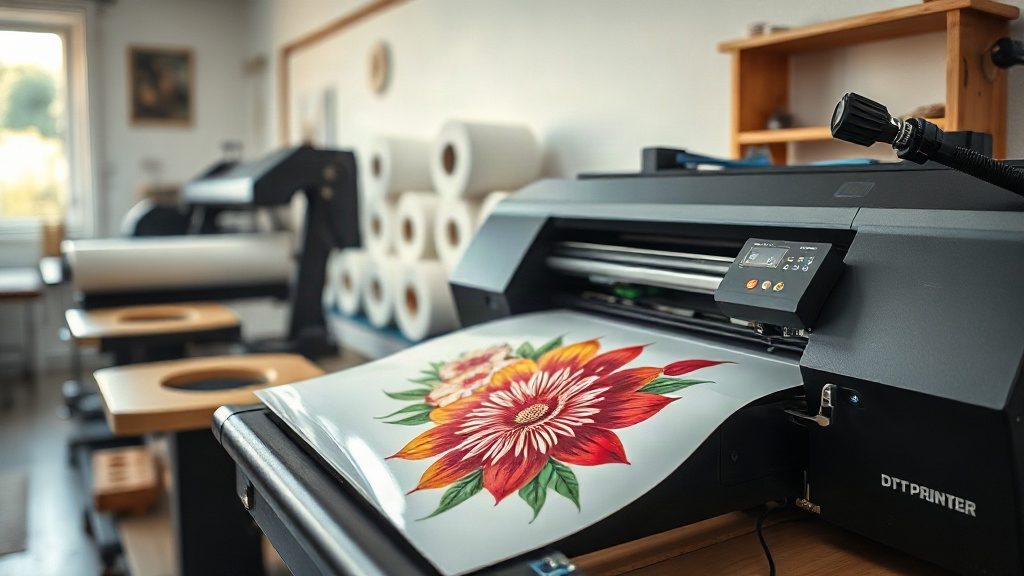
Custom apparel has never been more accessible, thanks to DTF printing. Whether you're a small business owner, a DIY enthusiast, or a professional decorator, understanding DTF technology can transform your projects. Unlike traditional methods, DTF (Direct to Film) printing allows you to transfer intricate designs onto various fabrics with stunning detail and durability. In this guide, we'll walk you through the entire process, from choosing the right materials to ensuring your prints last wash after wash.
What is DTF Printing?
DTF printing is a digital printing method where your design is printed onto a special film, coated with adhesive powder, and then heat-pressed onto fabric. This process eliminates the need for weeding or cutting, making it ideal for complex, multi-color designs. The result is a soft, flexible print that bonds permanently to the fabric.
How DTF Differs from DTG and Screen Printing
Unlike Direct to Garment (DTG), which prints directly onto the fabric, DTF uses a transfer film, allowing it to work on a wider range of materials, including cotton, polyester, blends, and even leather. Screen printing requires separate screens for each color, making it costly for small batches, while DTF is cost-effective for both short and long runs. Additionally, DTF produces vibrant colors without the limitations of DTG on dark garments.
Designing for DTF Printing
Creating a design for DTF printing requires attention to detail. Start with high-resolution images (300 DPI) in PNG format with a transparent background. Remember that the white ink layer is applied separately, so your design should have clear areas where you want the fabric to show through. Avoid semi-transparent elements, as they may not reproduce accurately.
Color Considerations
DTF printers use CMYK plus white ink, which means your digital design should be in CMYK mode to ensure color accuracy. Bright neon colors may appear slightly muted, so test prints are recommended. Also, keep in mind that the white ink base adds opacity, so colors on dark fabrics may look slightly different than on light ones.
Size and Placement
Consider the placement of your design on the garment. For t-shirts, a standard front print is about 10-12 inches wide, but this can vary. Use mockup templates to visualize the final product. Ensure your design has a transparent background and is mirrored if required by your printer software (some DTF printers automatically mirror).
The DTF Printing Process Step by Step
Understanding the workflow helps you achieve consistent results. Here's a breakdown of the key stages:
- Printing: Load the DTF film into your printer and print your design. The printer lays down CMYK inks followed by a white ink layer.
- Powdering: While the ink is still wet, apply hot melt adhesive powder evenly over the print. Shake off excess.
- Curing: Place the film in a curing oven or under a heat press for a few minutes to melt the powder. This creates a dry, tacky surface.
- Transfer: Position the film on your fabric and heat press at 320°F (160°C) for 10-15 seconds with medium pressure.
- Peeling: Wait for the film to cool completely (cold peel) before removing it. This ensures the adhesive bonds fully.
Equipment and Materials
To get started with DTF printing, you'll need a DTF printer (or access to a service), DTF film, hot melt adhesive powder, and a heat press. Quality supplies matter: cheap film can cause jamming, and low-grade powder may lead to poor wash durability. Invest in reputable brands for consistent results.
Applying DTF Transfers to Different Fabrics
One of the biggest advantages of DTF is its versatility. Here's how to handle common fabric types:
- Cotton: Excellent adhesion; pre-press to remove moisture.
- Polyester: Use lower temperature (300°F) to avoid dye migration; consider a low-bleed film.
- Blends: Works well; adjust pressure based on fabric thickness.
- Leather: Use low temperature and pressure to avoid damaging the material.
Specialty Fabrics and Troubleshooting
For nylon or waterproof fabrics, adhesion can be tricky. Try a higher pressure and slightly longer press time. If the transfer peels off, it's likely due to insufficient pressure or curing. Always test on a scrap piece first.
Care Instructions for DTF-Printed Apparel
To ensure your DTF prints last, follow these care guidelines:
- Wait 24 hours before first wash to allow full curing.
- Turn garment inside out before washing.
- Use cold water and mild detergent; avoid bleach and fabric softeners.
- Tumble dry low or hang dry; avoid high heat.
- Iron inside out, never directly on the print.
Common Mistakes to Avoid
Many beginners rush the process, leading to peeling or faded prints. Don't skip the curing step, and always use the correct temperature and pressure. Also, avoid stretching the garment when hot, as this can crack the print.
DTF vs. Other Printing Methods: Pros and Cons
Choosing the right method depends on your needs. Here's a quick comparison:
- DTF: No weeding, works on many fabrics, vibrant colors, durable. Higher cost per print for large runs.
- DTG: Best for cotton, no minimums, but limited on dark colors and polyester.
- Screen Printing: Cost-effective for bulk, but setup costs and limited colors.
- Vinyl: Good for simple designs, but not for complex images.
Frequently Asked Questions
What fabrics can I use with DTF printing?
DTF works on cotton, polyester, blends, leather, and more. It's not recommended for fabrics with heavy coatings or waterproof treatments without testing.
How long do DTF prints last?
With proper care, DTF prints can last 50+ washes. Avoiding high heat and harsh chemicals extends longevity.
Can I use DTF on dark shirts?
Yes, DTF is ideal for dark fabrics because the white ink base ensures colors pop. No need for a separate white underbase.
Do I need a special printer for DTF?
You can convert an existing printer with DTF inks and film, or buy a dedicated DTF printer. Many services also offer printing if you don't want to invest in equipment.
What is the best way to store DTF transfers?
Store unused transfers in a cool, dry place away from direct sunlight. Keep them flat to prevent curling.
Mastering DTF printing opens up a world of possibilities for custom apparel. With the right techniques and care, you can create professional-quality prints that impress customers and stand the test of time. Start experimenting today and watch your designs come to life.