
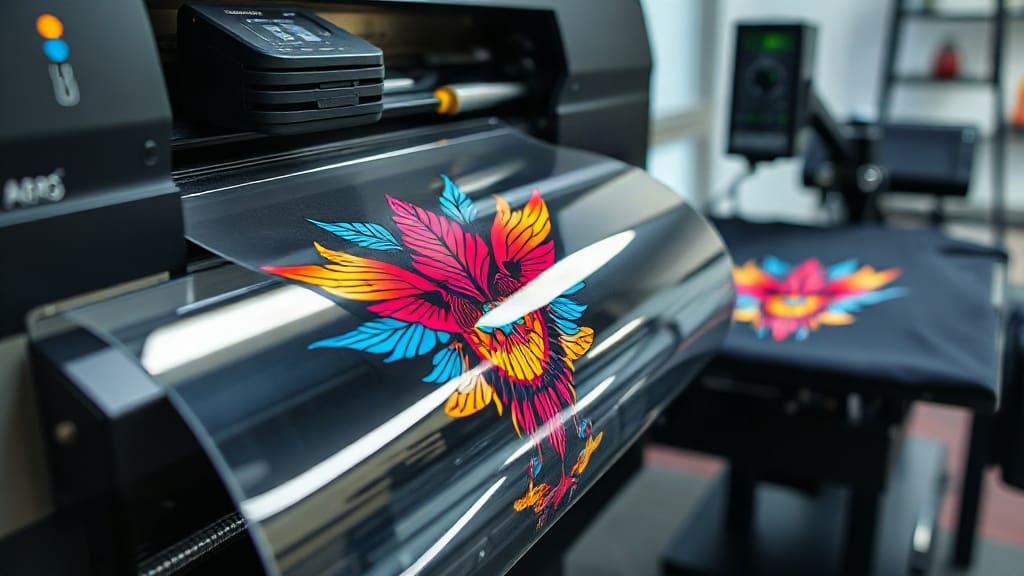
If you're exploring custom apparel decoration, you've likely encountered DTF (Direct-to-Film) printing. This innovative method has taken the industry by storm, offering a versatile and cost-effective way to create vibrant designs on various fabrics. Unlike traditional methods that require screens or expensive equipment, DTF simplifies the process while delivering outstanding results. In this comprehensive guide, we'll break down what DTF is, how it works, its benefits, and how you can achieve professional-grade transfers every time.
What is DTF Printing?
DTF stands for Direct-to-Film. It's a printing process where your design is printed onto a special PET film using a printer equipped with white ink and CMYK colors. After printing, a powder adhesive is applied to the wet ink, and the film is then cured to melt the powder. The final step involves transferring the design onto a garment using a heat press. This technique is praised for its flexibility, allowing prints on cotton, polyester, blends, and even difficult surfaces like nylon or leather.
How DTF Works: Step-by-Step
To truly appreciate DTF, it's helpful to understand the workflow. Here's a breakdown from start to finish:
- Design and Print: Create your artwork in a design software and print it in reverse onto a PET film using a DTF printer. The printer lays down white ink first, then CMYK colors on top.
- Apply Adhesive Powder: While the ink is still wet, sprinkle a hot-melt adhesive powder over the entire printed area. This powder clings to the ink.
- Cure the Powder: Pass the film through a curing oven or use a heat source to melt the powder, creating a tacky layer that will bond with the fabric.
- Transfer: Place the film on your garment with the design facing down. Apply heat and pressure using a heat press for a specific time and temperature (typically around 320°F for 15 seconds).
- Peel: After pressing, peel off the film either hot or cold, depending on the powder type. Your design is now embedded in the fabric.
This straightforward process makes DTF accessible even to small businesses or hobbyists. Unlike screen printing, there's no need for separate screens per color, and unlike vinyl, you can achieve photo-quality details without weeding.
Why Choose DTF? Key Advantages
The popularity of DTF stems from its numerous benefits over traditional methods. Let's dive into what makes it stand out:
1. Versatility in Fabric Types
One of the biggest selling points is its ability to adhere to almost any fabric. Whether you're printing on 100% cotton t-shirts, polyester sportswear, or blended fabrics, DTF performs reliably. It even works on materials like denim, canvas, and leather, which are challenging for other methods.
2. Superior Color and Detail
Because DTF uses white ink as an underbase, colors pop vibrantly even on dark garments. The printer can reproduce gradients, small text, and intricate designs with sharpness that rivals DTG (Direct-to-Garment) printing. Plus, the transfers have a soft hand feel, especially compared to thick vinyl.
3. Cost-Effective for Small Runs
If you're producing small quantities or even one-off custom items, DTF is incredibly economical. There are no screen setup costs, and you can print multiple designs at once, maximizing efficiency. This makes it perfect for personalized gifts, sample runs, or just-in-time production.
4. Ease of Use and Storage
Unlike DTG printers that require frequent maintenance and cleaning to prevent ink clogs, DTF printers are relatively low-maintenance. You also have the flexibility to print designs in advance and store them on rolls. When an order comes in, you simply press the pre-made transfer, saving time.
DTF vs. Other Printing Methods
To make an informed choice, it's useful to compare DTF with its main competitors: screen printing, DTG, and vinyl.
vs. Screen Printing
Screen printing is ideal for large quantities with a limited number of colors due to its setup costs. DTF shines for smaller runs and full-color designs. While screen printing offers excellent durability, DTF provides comparable washability and allows for more detailed artwork.
vs. DTG Printing
DTG is great for printing directly on cotton, but it struggles with polyester and dark fabrics (unless you pre-treat). DTF offers more versatility and often results in a softer feel. Additionally, DTF transfers can be produced faster since you can print multiple copies on one film and press them sequentially.
vs. Vinyl Cutting
Vinyl is perfect for simple designs with solid colors, but it requires weeding and isn't suitable for gradients or photos. DTF eliminates the tedious weeding process and opens up a world of creative possibilities.
Essential Equipment and Materials for DTF
Getting started with DTF requires specific investment. Here's what you'll need:
- DTF Printer: A printer that can handle white ink, often a modified Epson or dedicated DTF model. Prices range from $500 for beginners to over $10,000 for industrial units.
- PET Film: Specially coated film that releases the design during transfer.
- Adhesive Powder: A thermoplastic powder that activates under heat.
- Heat Press: A clamshell or swing-away press that can reach at least 350°F and provide even pressure.
- Curing Oven or Laminator: To melt the powder after printing, though some setups use a heat press for this step.
- Software: Design software like Adobe Illustrator or CorelDRAW, plus a RIP (Raster Image Processor) for color management.
Choosing the Right DTF Printer
When selecting a printer, consider your production volume and budget. Entry-level models like the Epson L1800 modified for DTF are popular among startups. For higher volume, look into dedicated DTF printers that offer features like built-in powder shakers and curing units. Always check print resolution (at least 1440 dpi) and white ink circulation systems to prevent clogs.
Mastering the Transfer Process: Tips for Perfect Results
Achieving consistent quality in DTF requires attention to detail. Here are some expert tips to avoid common pitfalls:
1. Proper Temperature and Pressure
Heat press settings are critical. Too low a temperature might not activate the adhesive, while too high can scorch the fabric. Test with scrap material to find the sweet spot. Generally, 320°F for 10-15 seconds at medium to firm pressure works well.
2. Film Orientation and Placement
Always print in reverse (mirrored) because you'll flip the film onto the garment. When placing the film, ensure it's aligned correctly to avoid misprints. Use alignment tools or grid paper if needed.
3. Washability and Durability
To ensure your prints withstand repeated washing, use high-quality powder and ensure complete curing. Also, recommend to your customers to wash garments inside out in cold water and avoid dryer heat for the first few washes.
4. Handling Different Fabrics
For stretchy fabrics like spandex, pre-stretch the fabric before pressing to prevent distortion. For thick materials like hoodies, adjust pressure and time to penetrate the fibers thoroughly.
DTF in Business: Profitability and Scalability
Many entrepreneurs are leveraging DTF to start custom apparel businesses. The low entry cost and flexibility make it an attractive option. You can offer on-demand printing, personalized items, or even sell pre-made transfers to other businesses. Since you can print multiple transfers on a single sheet, you maximize efficiency and reduce waste.
Frequently Asked Questions
Is DTF printing durable?
Yes, DTF prints are quite durable. When applied correctly, they can withstand 60+ washes without significant fading or cracking. The key is using quality materials and proper curing. The adhesive powder forms a strong bond with the fabric, ensuring longevity.
Can I use a regular printer for DTF?
No, DTF requires a printer that can print with white ink and handle the special film. Standard inkjet printers cannot produce the white underbase necessary for opaque prints on dark fabrics. You'll need a DTF-converted or dedicated DTF printer.
What is the cost per transfer?
The cost varies based on design size and materials. On average, a 10x10 cm transfer might cost around $0.20 to $0.50 in ink and film. Including power and labor, it's still significantly cheaper than screen printing for small quantities.
How do I store DTF films?
Unused printed films should be stored in a cool, dry place away from direct sunlight and heat. To prevent dust accumulation, keep them in a sealed plastic bag or roll. Proper storage ensures the adhesive powder remains effective.
Can DTF be used on dark fabrics?
Absolutely. One of the major advantages of DTF is its ability to print on dark colors effectively. The white ink underbase ensures vibrant colors and prevents the garment from showing through, unlike other methods that require special treatment.
Final Thoughts
As you can see, DTF printing is a game-changer in the apparel industry. Its versatility, cost-effectiveness, and ability to produce high-quality prints make it a valuable addition to any printing operation. Whether you're a seasoned professional or a newcomer, integrating DTF into your workflow can open new avenues for creativity and profit. So why not experiment with a sample run today? You might just find that DTF is the solution you've been searching for.